

Why Electrifying Stadiums and Arenas Is Not a One-Size-Fits-All Challenge



Electrification has become a defining topic in the sports and entertainment industry. From public policy mandates to ownership-driven sustainability goals, stadiums and arenas are increasingly being asked to reduce or eliminate their reliance on fossil fuels. At first glance, electrification sounds straightforward. In practice, however, it is one of the most complex challenges a large-scale venue can face.
What Do We Mean by “Electrification”?
At its core, electrification means replacing building systems that rely on on-site fossil fuels, such as natural gas or propane, with systems powered by electricity. In a stadium or arena, this commonly applies to mechanical and plumbing systems such as space heating, domestic hot water, food service, and building infrastructure that has historically depended on combustion-based equipment.
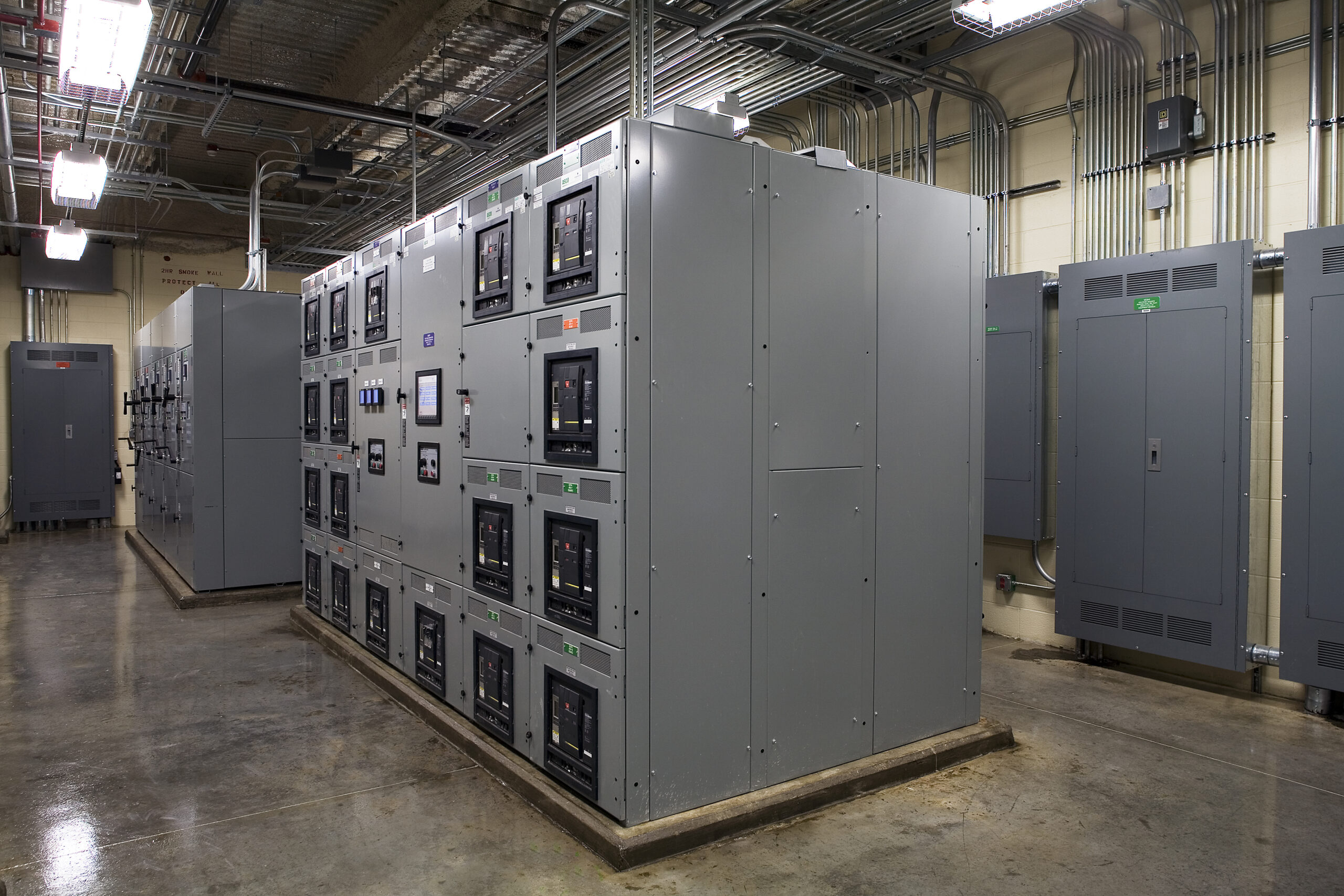
The goal of electrification is often tied to broader sustainability initiatives: reducing on-site emissions, supporting a cleaner energy future, and positioning facilities to take advantage of an increasingly renewable electric grid over time. However, electrification does not simply mean “plugging everything in.” When systems shift from fuel-based to electric, they place significantly more demand on the building and the local electrical grid, especially during peak event conditions.
Why One Size Doesn’t Fit All
The reality is simple: no two venues are alike, and there is no universal path to electrification. Each stadium or arena brings its own scale, event profile, geographic constraints, utility infrastructure, and regulatory environment. Navigating that complexity requires more than a checklist; it requires a thoughtful, data-driven, and highly individualized approach.
Scale Matters. So Does Usage.
Stadiums and arenas operate unlike almost any other building type. An arena may host 40 to 200 events per year, while a stadium may only peak a handful of times, yet those peak days can be enormous, with electrical demands many times higher than normal operations.
That variability matters. A building that functions comfortably within grid capacity for 300-plus days a year may overwhelm local infrastructure on event days. Treating every hour of operation the same, or modeling venues like office buildings or mixed-use developments, misses the mark.
This is one of the biggest pitfalls of blanket electrification requirements. Codes and mandates are often developed with conventional buildings in mind, not 1 million plus SF facilities that host tens of thousands of people at once. Applied without nuance, these requirements can create cost, feasibility, and reliability challenges that serve no one.
The Grid Is Part of the Equation
Electrification does not happen in a vacuum. Local utility capacity, grid reliability, and long-term infrastructure planning all play a major role in what is feasible today and what may be feasible years from now.
In many markets, fully electrifying a large venue would require major utility upgrades, including new substations dedicated solely to the facility. Those upgrades often fall outside project timelines and budgets, and they may not align with the local utility’s broader grid investment plans.
That doesn’t mean electrification isn’t the right goal. It does mean it must be approached realistically, with an honest understanding of what the grid can support and when, guided by experienced engineers and sustainability professionals who can set achievable targets based on real-world data and past project outcomes.
Geography Matters
What works in one city may be completely impractical in another. Jurisdictional requirements, utility pricing, climate conditions, and market priorities vary widely across the country.
A strategy that makes sense in one region may underperform or fail in another. The most effective solutions account for:
- Local codes and energy mandates
- Utility costs and demand rates
- Climate-driven heating and cooling demands
- Community and ownership sustainability goals
Ignoring these factors leads to solutions that look good on paper but struggle in real-world operation.
Why Modeling and Real-World Data Matter
Electrification decisions should never be based on assumptions alone. Accurate modeling grounded in real-world performance data is essential.
Peak loads, event-driven demand spikes, food service impacts, mechanical system interactions, and future expansion scenarios all need to be evaluated together. Without high-quality modeling, teams risk oversizing systems, underestimating costs, or creating operational challenges that persist for decades.
An experienced engineering partner like SSR brings more than software expertise. We bring context, an understanding of how similar venues actually perform, where models tend to overestimate or underestimate demand, and how systems behave once doors open to the public.
Right-Sizing the Solution
For many venues, the most effective path forward is not an all-or-nothing approach. Instead, it may include:
- Strategically electrifying specific building systems
- Reducing overall loads before adding electric demand
- Planning hybrid strategies that balance reliability, performance, and cost
- Designing infrastructure that supports future electrification as grids evolve
These strategies allow owners to advance sustainability goals while maintaining performance, controlling costs, and keeping options open for the future.
The Value of a Trusted Partner
Electrifying a stadium or arena is not about following trends; it’s about making informed decisions that align with a venue’s unique reality. Owners and architects need a partner who understands systems holistically, can model complex scenarios accurately, and is willing to tailor solutions rather than push a predefined answer.
The most successful projects start with listening: understanding how the venue is used, what the local infrastructure can support, and how the ownership group wants to tell its sustainability story. From there, engineering becomes a tool for clarity, helping teams navigate tradeoffs and identify solutions that actually work.
One Venue at a Time
Electrification is an important step forward for the industry. But progress will not come from one-size-fits-all mandates or copy-and-paste solutions. It will come from thoughtful, project-specific strategies informed by data, modeling, and real operational experience.
Every stadium and arena deserves an approach designed for its community, its climate, its grid, and its goals. With the right engineering partner, electrification becomes not just possible, but practical, responsible, and future-ready.