
Beyond the Bedside: Why Nurses Belong in Healthcare Technology Design


When healthcare organizations invest in new technology, the conversation often centers on innovation and the future of healthcare. However, one critical perspective is frequently underrepresented: the clinicians who utilize the technology every day.
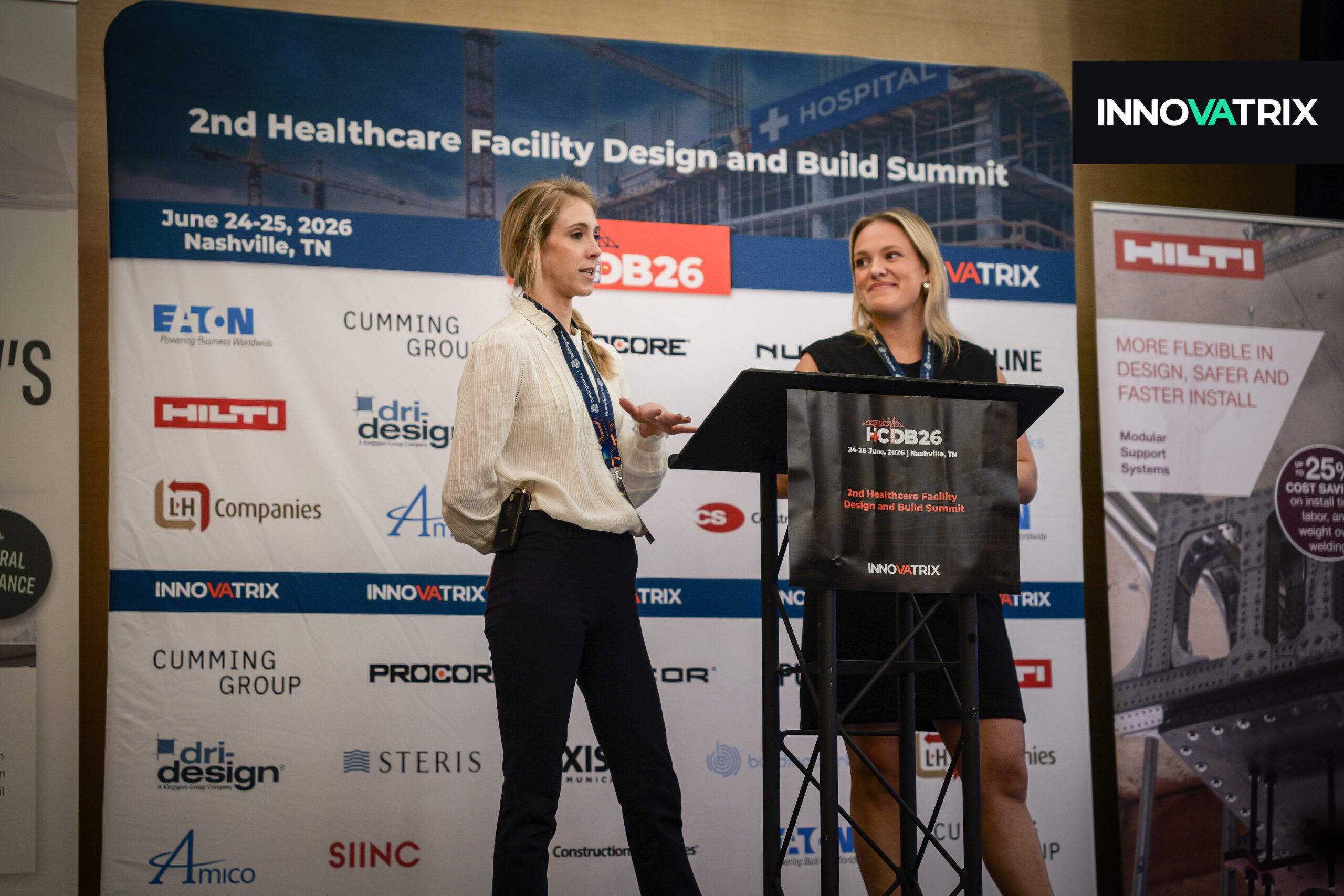
At a recent healthcare design conference, we shared how our nursing experience informs healthcare technology planning and design. Our message was simple: technology should support, add value, and adapt to clinicians’ workflows, processes, and priorities of patient care, not create additional burden or strain.
From the Bedside to the Built Environment
We both began our careers as bedside nurses, working in critical care settings at Level 1 Trauma Centers with a combined experience in both adult and pediatric care. Throughought our clinical experience, we encountered countless workflow inefficiencies, technology frustrations, and built environment designs that impacted how we delivered patient care. Our experiences fueled a desire to transition to a new career path: Technology Designer and Consultants at SSR, helping clients bridge the gap between clinical operations, technology strategy, and the built environment.
Patient Room Digital Whiteboards and Customization
Digital patient whiteboards have become a common feature in healthcare facilities, replacing traditional dry-erase boards that historically relied on manual updates from nurses and physicians. The Digital Whiteboard pulls information straight from the electronic health record (EHR) and displays it on a monitor within the patient room.
We encourage healthcare organizations to think beyond the technology itself and focus on the information being displayed and key integration features (i.e. telehealth, screensharing, meal ordering capabilities). What information can be displayed that is relevant and supports best practices, operations and patient care goals?
- Estimated Day of Discharge
- Care Team for the Day (i.e. Hospitalist, Nurse, and Care Tech)
- Mobility Goals
- Rotating Patient Education Messages regarding medication, diagnosis, etc.
Room design also plays a role: monitor size, placement in room, and nighttime dimming all impact the patient experience. An ideal state would be to test, assess, and implement these variables on a unit-specific basis. A Neuro ICU patient has very different needs and goals than a patient in Labor & Delivery.
In-Room Cameras and AI: Preparing for What’s Next
In-room cameras are rapidly becoming a standard feature in modern healthcare facilities. Current applications include virtual nursing, telehealth, and fall prevention, with AI capabilities and predictive analytics being integrated over the coming years.
While healthcare leaders often focus on future possibilities, nurses focus on practical, unit-specific day-to-day needs:
- How will staff interact with the technology?
- How will the facility be utilizing it?
- Who manages troubleshooting?
- When should cameras be turned off?
- How does the technology affect patient and staff comfort?
As cameras and monitoring systems continue to evolve, healthcare organizations must establish workflows and governance before implementation rather than after.
Digital Signage Has Untapped Potential
Digital signage outside patient rooms is often viewed as a simple replacement for traditional room signs and to reduce paper signage on doors (i.e. Contact Precautions, Fall Risk).
Current installations often suffer from poor visibility, information overload, or placement issues that limit effectiveness. Yet, digital signage could become a valuable workflow tool for clinicians, environmental services teams, and staff support.
Future applications could include:
- Room turnover tracking
- Efficient clinical documentation (i.e. transport times, shift hand-off, room ready for admit)
- Badge-enabled workflow automation
By moving beyond small, static displays and incorporating real operational needs, digital signage can contribute meaningfully to reduce documentation burden, increase operational efficiency, and capture important measurable data.
The Challenge of Nurse Call Integration
Few technologies impact nurses more directly than nurse call systems.
Modern platforms continue to integrate with IV pumps, ventilators, mobile devices, and patient monitoring systems. While these connections can improve communication, they can also create unintended consequences. Alarm fatigue is a significant concern.
When alerts are routed across multiple systems and devices, clinicians must continually distinguish urgent from non-urgent notifications over their 12 hr shift. This increased cognitive load and the risk of missed signals.
As a result, integrations should be evaluated at the unit-specific level, since what works in one clinical environment may not be appropriate in another.
Assessment of the systems should include:
- Escalation pathways for alarm management
- Day and night shift workflows
- Staffing models
- Patient acuity
Technology Is Successful When People Use It In Meaningful Ways
Successful healthcare environments require thoughtful planning before design, during design, and long after a facility opens. Technology decisions cannot be isolated from clinical workflows, operational processes, or staff and patient experience.
Organizations that achieve the best results:
- Involve clinicians early and often.
- Test technology usage with real-life workflows before implementation (and after!).
- Continue evaluating technology for improvements after go-live.
- Create adaptable infrastructure that can support future innovation.
- Identify frontline multi-disciplinary clinical champions who can support adoption and training.
Without implementing the above, even the most vetted or standard technology can become another obstacle rather than a solution. The goal is to give clinicians more time to heal, connect with, and build trust with their patients. Technology should make care more human, not less.