


Quenchless MRI: What Healthcare Design Teams Should Know
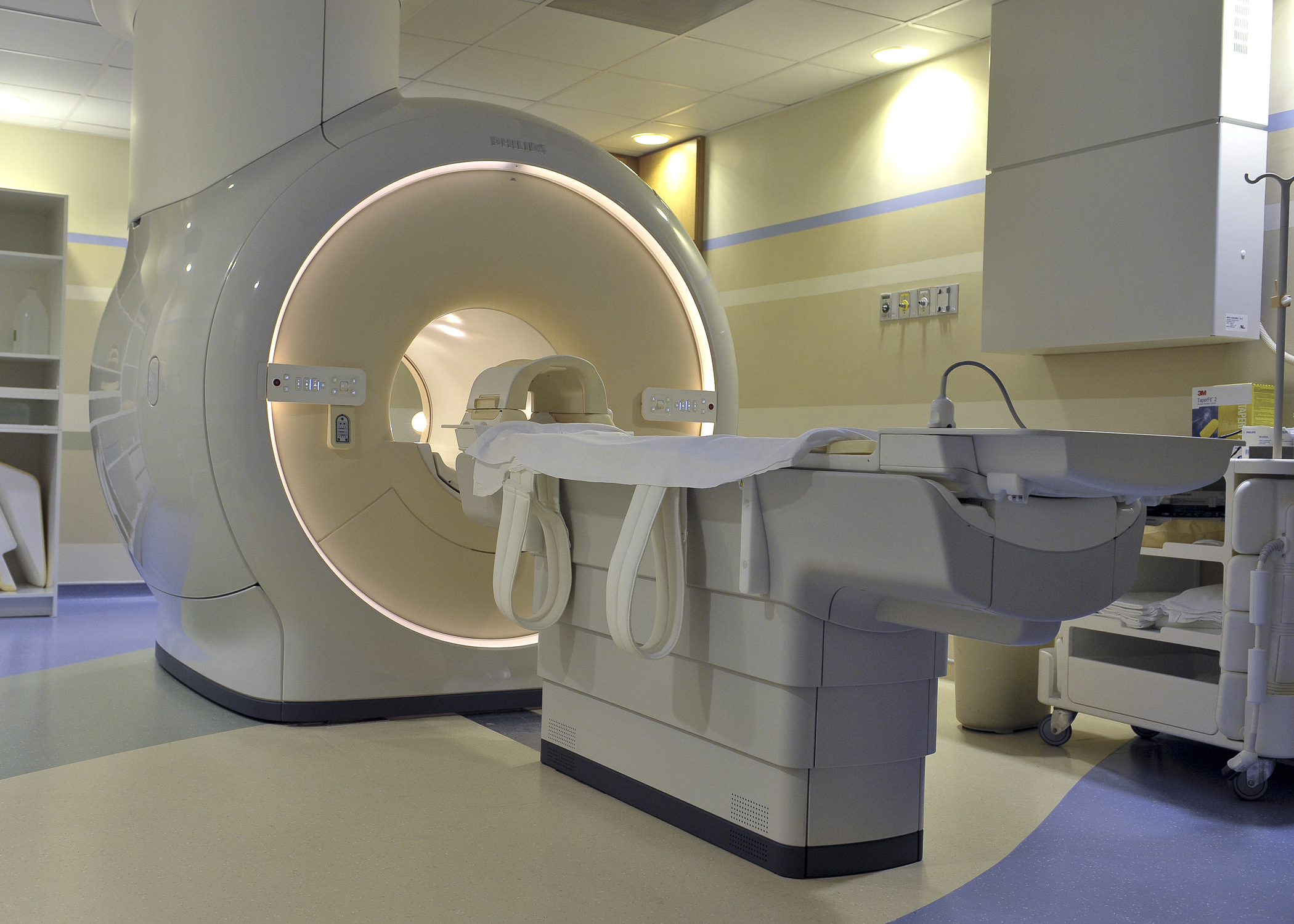

Magnetic resonance imaging (MRI) machines are a cornerstone of modern healthcare, but the technology behind them is evolving. A newer option gaining traction across the industry is the quenchless MRI. While still emerging in the U.S. market, these systems are already influencing how hospitals plan, design, and operate imaging environments.
So, what exactly is a quenchless MRI and why does it matter for healthcare leaders, architects, and engineers?
Understanding the Difference
Traditional MRI systems rely on large volumes of liquid helium to keep their magnets superconductive. In the event of a malfunction, this helium rapidly boils off and is vented outside the building through a quench pipe, a process known as a “quench.”
Quenchless MRIs, by contrast, use significantly less helium, often less than 1% of a conventional system, and seal it within the unit. The result? A system that eliminates the need for venting altogether.
In simple terms: no helium discharge, no quench event, and no quench pipe.
Why Hospitals Are Paying Attention
While quenchless MRI technology is still relatively new, becoming more common in the U.S. over the past five years, it’s gaining momentum for several compelling reasons.
- Reduced Installation Complexity
One of the biggest advantages is what isn’t required.
Traditional MRIs demand a large, specialized vent pipe, often 8 to 12 inches in diameter, that must run from the MRI suite to the exterior of the building. Routing this pipe can be a major design challenge, especially when imaging rooms are located deep within a facility.
It’s not just about getting the pipe outside; the discharge location itself requires careful planning. Because a quench releases extremely cold helium gas, the vent must be located away from air handling units, outside air intakes, and areas where people may be present, such as sidewalks or entry zones. These constraints can significantly limit where the MRI suite can be placed and often require complex coordination across architectural and mechanical systems.
Quenchless systems eliminate this requirement entirely, simplifying coordination and opening up more flexibility in space planning.
- Improved Safety
Safety is another major driver. In a conventional system, a helium leak or quench can displace oxygen in the room, creating a risk for patients and staff. This requires additional safeguards, including oxygen sensors and emergency exhaust systems.
Quenchless MRIs largely remove this risk. Without large helium volumes, there’s no need for emergency venting or oxygen monitoring systems tied to helium discharge.
- Lower Operational Risk and Cost
Helium is both expensive and increasingly scarce. When traditional MRIs quench, the cost to replace lost helium can be significant. By dramatically reducing helium use, and eliminating the possibility of a full quench, these systems can reduce long-term operational costs and protect against supply volatility.
What This Means for Design Teams
From a design perspective, quenchless MRIs introduce a rare opportunity: meaningful simplification without major system changes.
Minimal Mechanical Differences
In most cases, the core design of an MRI suite remains the same:
- Cooling loads
- Electrical requirements
- Radio frequency shielding
- Room layouts (exam, control, equipment)
All remain largely unchanged. The key difference? The absence of the quench pipe.
Fewer Systems, Less Coordination
Without a quench event to plan for, design teams can eliminate:
- Large vent piping systems
- Oxygen deficiency monitoring
- Emergency purge/exhaust fans tied to helium release
This reduces coordination across disciplines and can streamline construction.
Greater Flexibility in Space Planning
Because quench pipes no longer need to reach the building exterior, imaging suites can be placed more freely, particularly valuable in dense hospital environments or vertical expansions.
Considerations for Architects
For architects, the shift to quenchless MRI is subtle but important. Most planning considerations remain the same:
- Structural support for extremely heavy equipment
- Clear paths for equipment delivery and replacement
- Shielding and room layout requirements
However, with quenchless systems, there’s no need to allocate space for vertical vent shafts, a notable advantage in tight building footprints.
Market Adoption: Where Things Stand
Today, quenchless MRI systems are available from major manufacturers like GE, Siemens, and Philips. In the U.S., they are most commonly offered in 1.5 Tesla configurations, though broader options may emerge as the technology matures.
Adoption is still mixed. Some owners are fully embracing quenchless systems, while others continue to use traditional MRIs—often due to familiarity, cost considerations, or specific clinical requirements.
The Bottom Line
Quenchless MRI technology represents a clear step forward in healthcare design offering:
- Simplified infrastructure
- Enhanced safety
- Reduced operational risk
- Greater design flexibility
While it may not yet be the universal standard, it is quickly becoming a compelling option for forward-thinking healthcare systems.
For design teams, the takeaway is simple: equipment decisions matter early. Because imaging projects are typically built around the selected MRI system from the outset, understanding the benefits of quenchless technology can help teams deliver smarter, more efficient facilities from day one.