
Building a Stronger Foundation: The Growth of Site Development at SSR


A successful project begins long before vertical construction. It starts with a site that can support the owner’s vision, respond to its surroundings, and successfully navigate the technical and regulatory requirements that shape development.
At SSR, site development is not a new capability. Our team has long provided award winning civil site design for public and private clients, particularly through established practices in Tennessee. Through the new resources and experiences brought to SSR through GFY, our team is evolving to allow us to serve our existing clients deeper and provide more successful solutions in more places.
Everything Outside the Building
Civil site development encompasses the interconnected systems and infrastructure that allow a building or development to function. SSR’s capabilities include the design of water distribution, wastewater collection, and stormwater management systems, along with roadways, parking lots, site access, and other hardscape elements. Our teams also coordinate utility connections to buildings, off-site roadway improvements, traffic studies, and signalization when required.
The work often extends well beyond design. Site development engineers must understand and navigate local, state, and federal permitting requirements, which can include land development approvals, utility construction permits, roadway and drainage connections, environmental reviews, floodplain considerations, and wetland permitting. On complex sites, several of these processes may happen simultaneously, making early coordination essential to maintaining project momentum.
That coordination connects site development with nearly every other member of the project team. Civil engineers work closely with owners, architects, planners, structural engineers, MEP engineers, traffic engineers, landscape architects, and regulatory agencies to make sure decisions made in one area support the entire project.
Finding the Right Solution for Every Site
While the fundamentals of site development apply across project types, each site brings a different set of constraints.
Large, multi-acre developments may require significant planning to organize buildings, circulation, utilities, stormwater systems, and public spaces across a broad footprint. These projects also bring greater coordination demands, with multiple disciplines, stakeholders, and agencies contributing to the outcome. SSR’s planning resources add another valuable perspective by helping teams consider how individual site elements work together within the larger development.
“When you’re working on a large site, there’s a planning element that comes into play,” said Tiffany Heard, Principal. “You’re thinking about how buildings, infrastructure and public spaces work together to create a successful place.”
Smaller sites can be equally complex. Limited acreage does not eliminate parking requirements, fire access, utility infrastructure, stormwater management, or service areas. Instead, the project team must fit those elements into a much tighter space. In dense or urban environments, that may mean incorporating underground stormwater storage beneath parking areas or garages when an open detention pond is not feasible.
The building’s use also shapes the site strategy. A sports venue must accommodate significant but intermittent traffic volumes. A school requires safe, efficient daily routes for buses and parent drop-off and pickup. A healthcare facility must maintain reliable access for emergency vehicles while supporting potentially significant water and wastewater demands. Local soil conditions, drainage characteristics, floodplains, and environmental features introduce additional variables that must be addressed through location-specific solutions.
This range of considerations is why successful site development depends on more than meeting a checklist of requirements. It requires understanding how a site will operate, who will use it, and how the infrastructure must perform over time.
Established Experience Across Markets
SSR’s site development experience spans municipal and institutional projects, parks and public spaces, commercial development, multifamily housing, hospitality, healthcare, and sports and entertainment facilities.
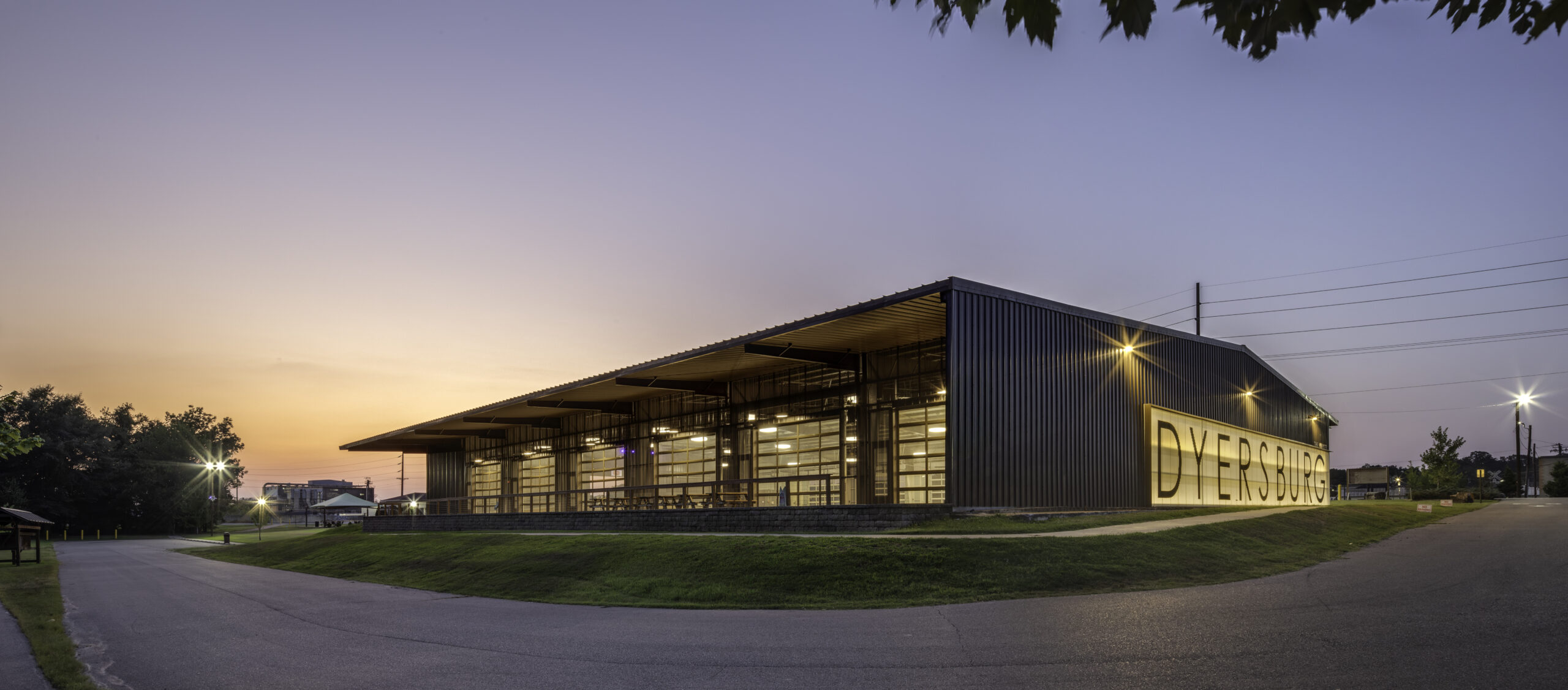
In West Tennessee, we have delivered full civil site services and supported community-focused projects, including parks, public facilities, and other municipally driven developments. This work reflects the value of collaborating directly with owners to create spaces that respond to community needs and provide long-term public benefit.
In Florida, the team has provided site development and permitting experience for institutional and private land development projects throughout the state. Our work includes complex sites that require coordination with multiple local, state, and federal agencies as well as floodplain compensation, wetland permitting, transportation improvements, and environmental considerations.
Together, these teams provide SSR with a broader base of technical knowledge, geographic experience, and client relationships. Just as importantly, they offer complementary perspectives. Strong local knowledge helps teams understand jurisdictional expectations and permitting relationships, while firmwide collaboration allows specialized experience and established client relationships to travel across markets and geographies.
Expertise That Can Travel
Site development was once viewed as an inherent local practice. Local knowledge remains valuable, particularly when navigating permitting processes and building relationships with reviewing agencies. However, improved access to regulations, digital collaboration tools, and direct communication with jurisdictions have made it increasingly possible for experienced teams to support clients across a much wider geography. Our teams have already provided site development support beyond our locations, demonstrating that the expertise can travel when paired with careful research, proactive communication and, when appropriate, local partners.
The right delivery model depends on the project. For clients with recurring programs, maintaining a consistent site development team can preserve institutional knowledge and strengthen coordination from one location to the next. In other situations, local relationships may be especially important, and partnering with professionals who understand the jurisdiction can help the broader team move more effectively through entitlements and permitting. In both cases, the focus remains the same: assemble the right team around the client and project rather than allowing office boundaries to define what is possible.
A Platform for Continued Growth
SSR’s site development capabilities are grounded in experienced teams already delivering complex civil design and permitting work. The opportunity ahead is significant. From community parks and public facilities to healthcare campuses, commercial developments, and major sports venues, SSR can help clients address the infrastructure beyond the building and create sites that are functional, resilient, and responsive to the people they serve.