Water for People Impact Exchange to Peru
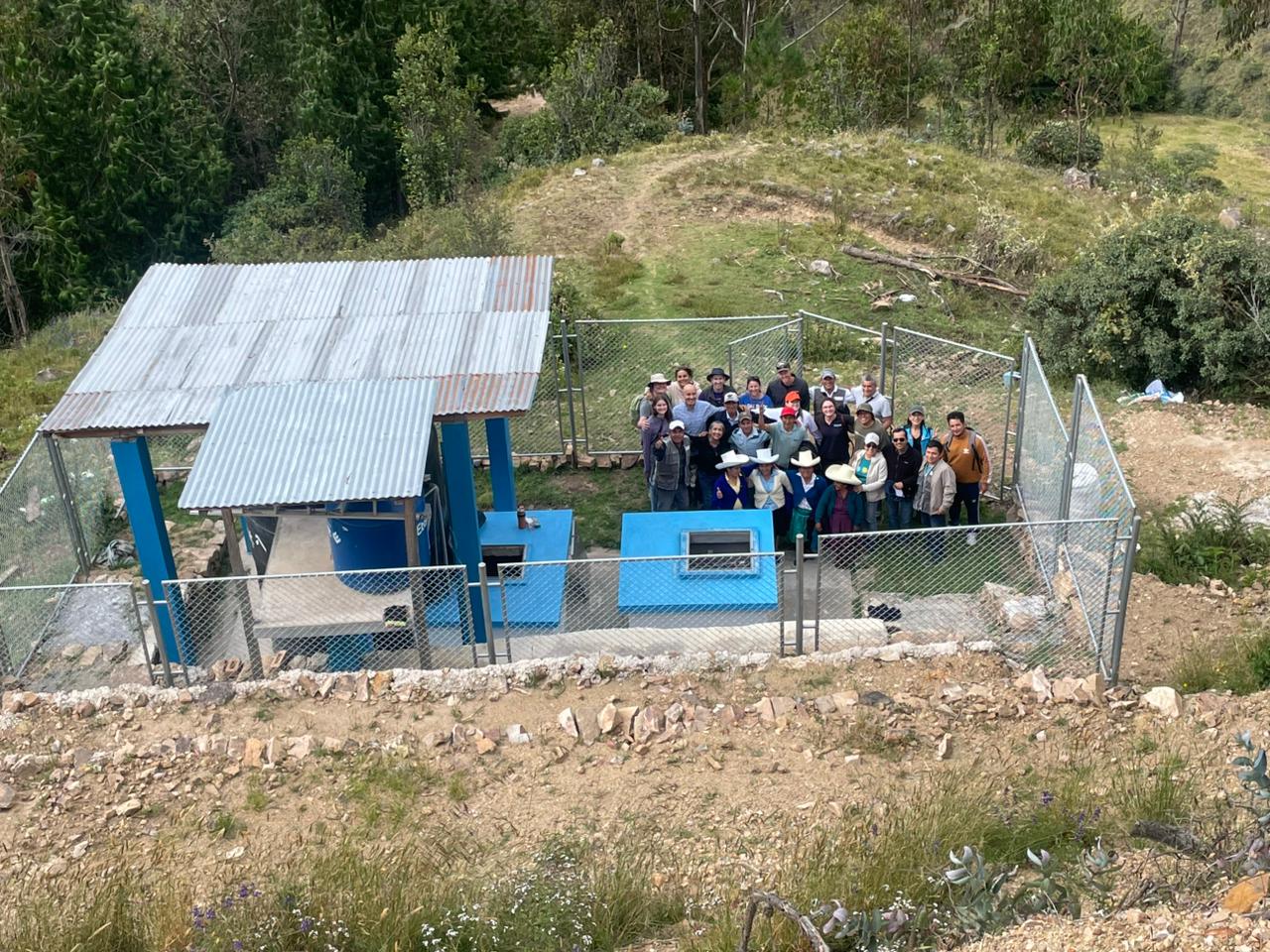
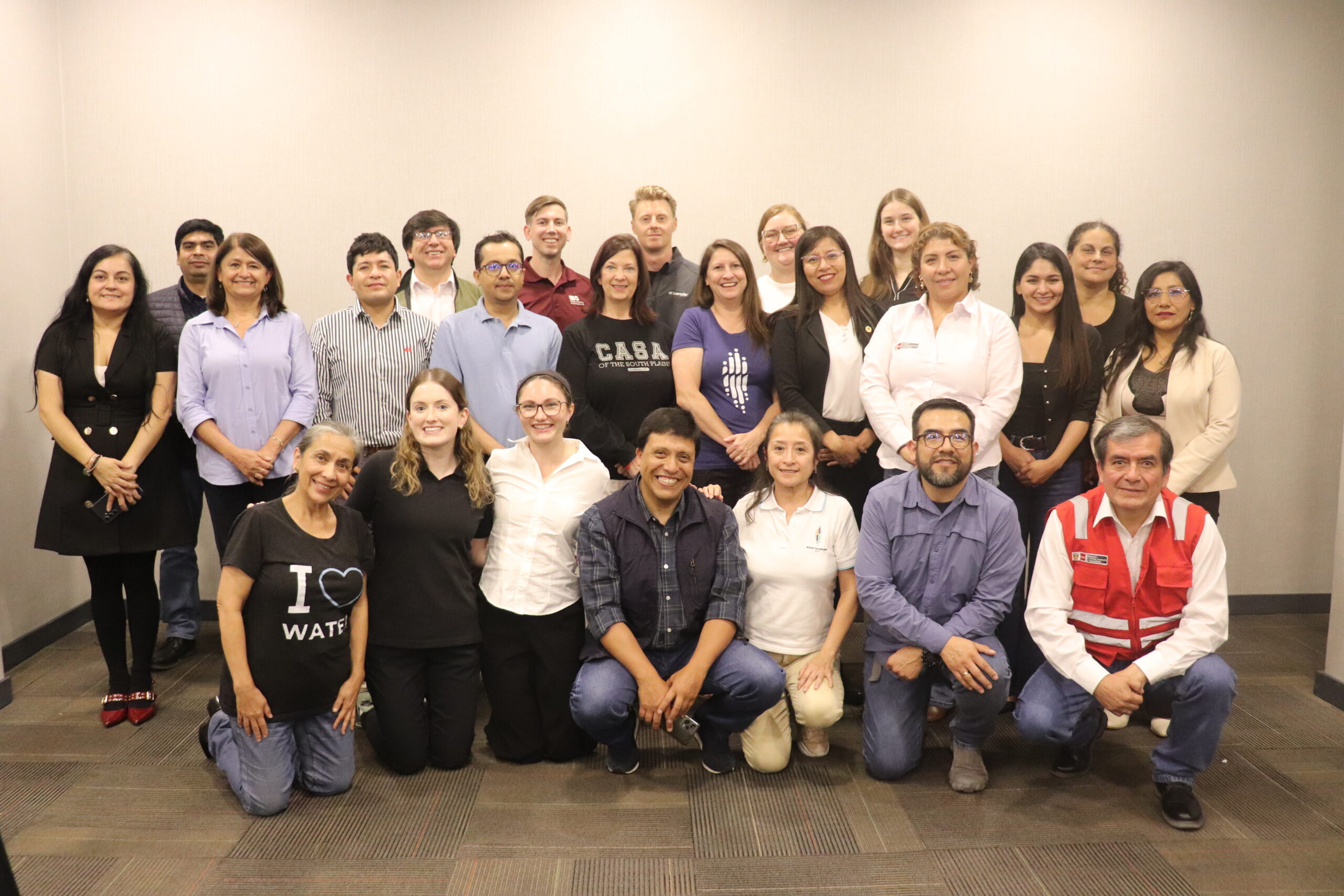
With support from SSR’s Making a Difference campaign and the Water For People AWWA KY/TN Committee, I had the opportunity to spend a week in Cajamarca, Peru, participating in a Water For People Impact Exchange alongside engineering professionals from across the United States. SSR has been a longtime supporter of Water For People and having the opportunity to see firsthand how that support helps improve access to safe water and sanitation in communities around the world was an incredible experience.
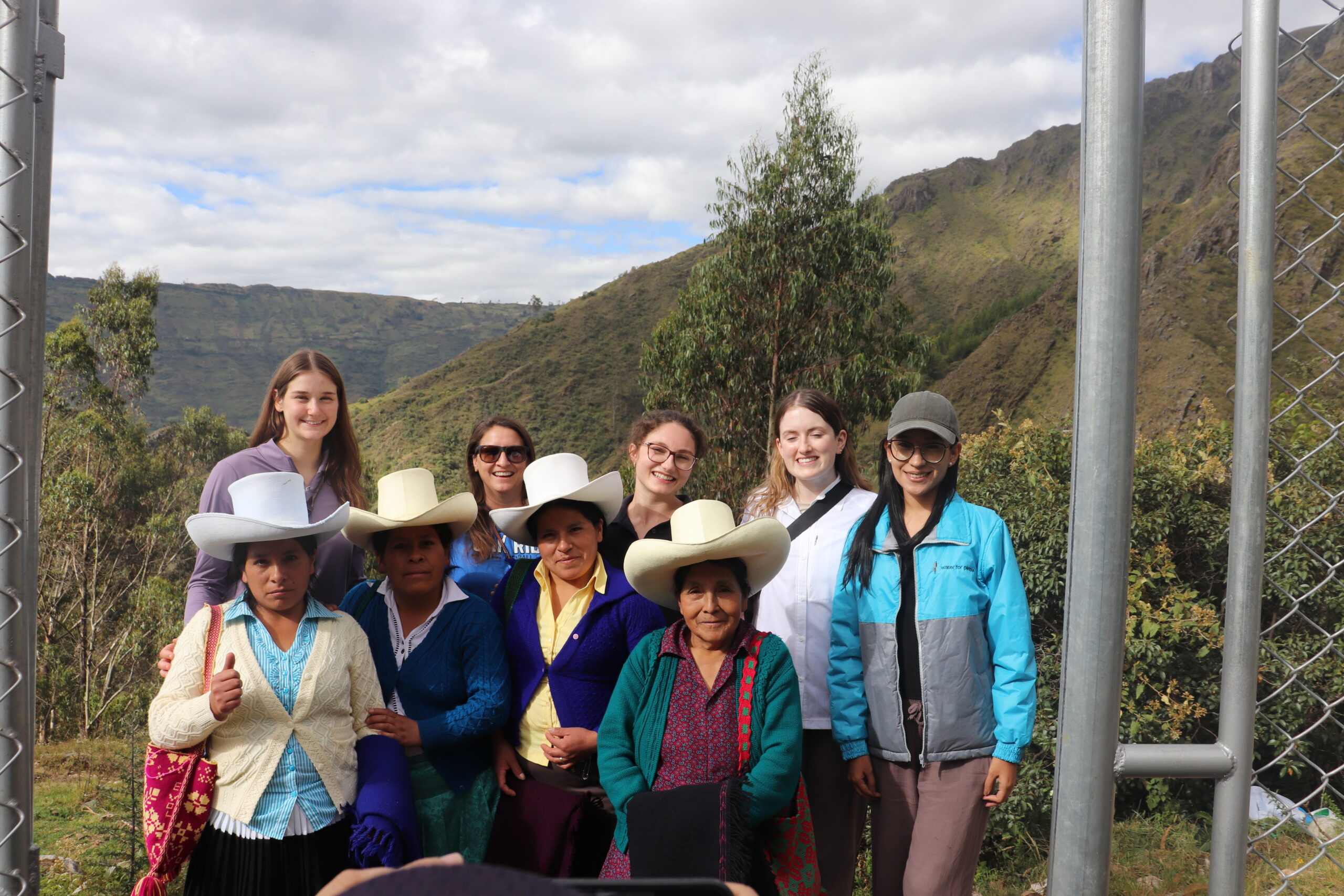
Cajamarca is one of three rural districts in Peru where Water For People works to improve access to safe water and sanitation. Throughout the trip, we visited communities and project sites, met with local government leaders and community water district representatives, and spent time with Water For People engineers learning about the challenges and opportunities associated with expanding water and sanitation services in rural Peru.
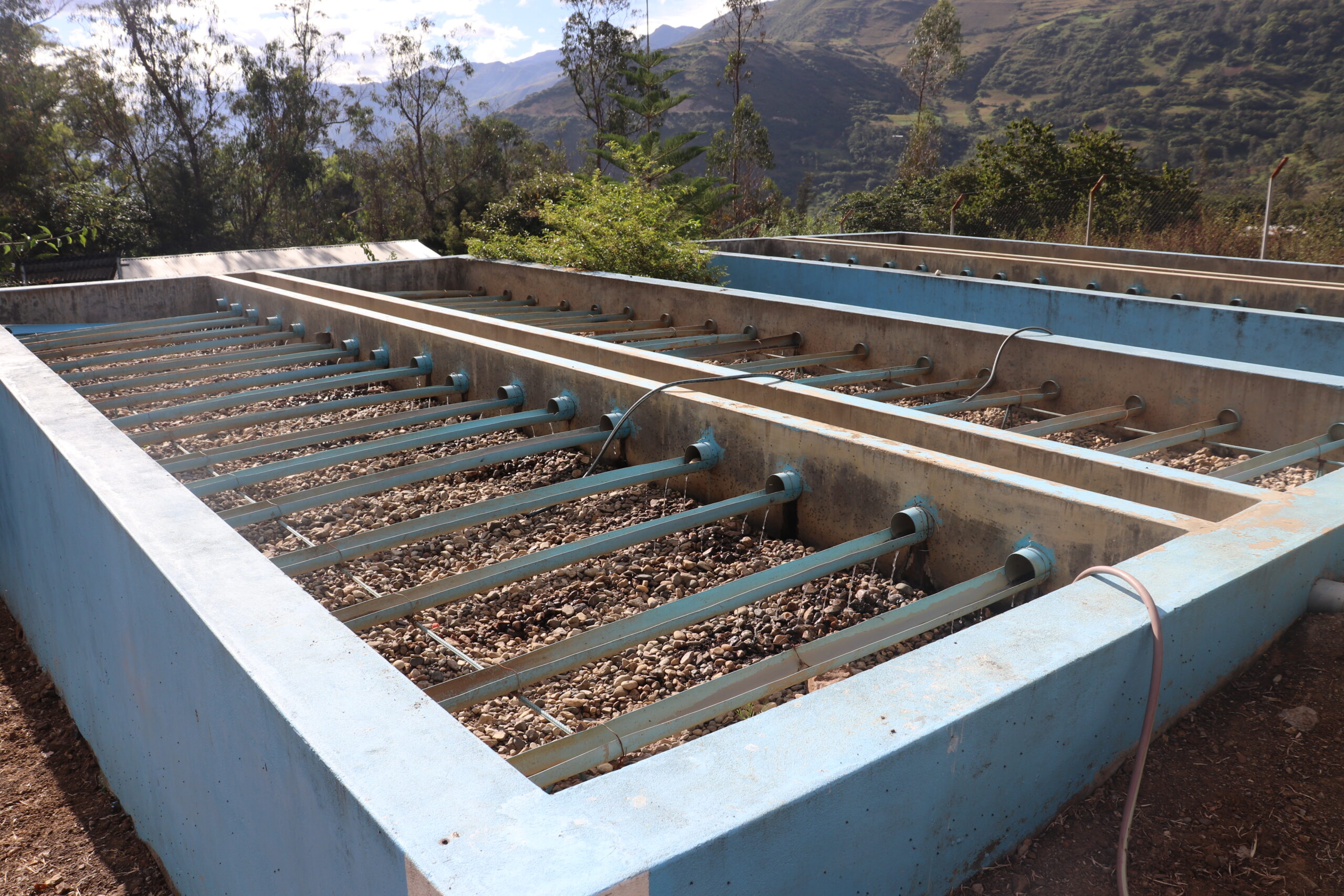
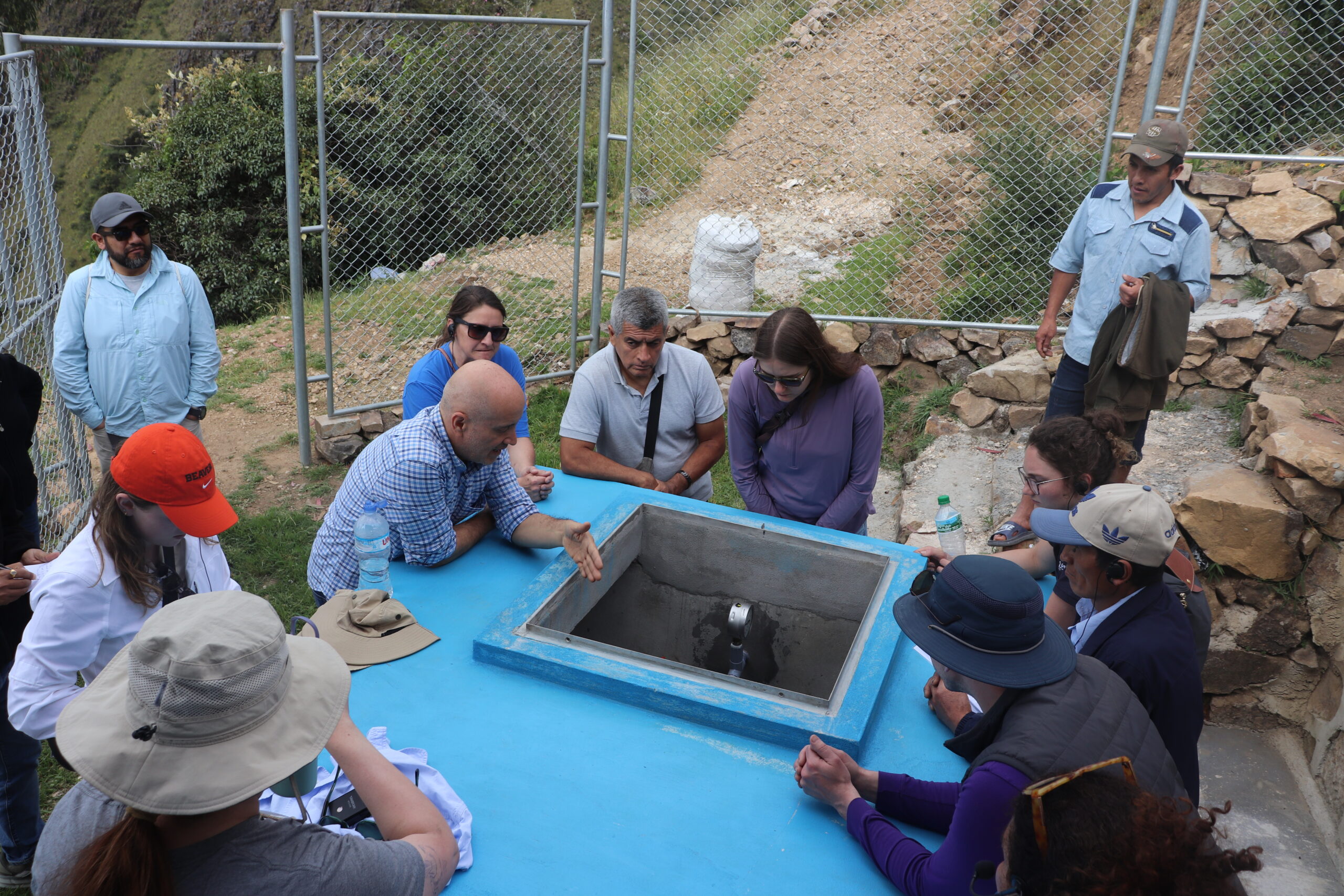
During the trip, we visited an ultrafiltration system, a wastewater treatment plant high in the Andes Mountains, a remote elementary school with newly installed restrooms and a chlorination system, a startup company developing sanitation technologies, and a reforestation project. One common theme connected every site we visited: community involvement. Residents actively participated in developing and implementing the projects, often contributing their own time and labor. At the reforestation project, for example, every community member planted three trees. It was clear that these projects were not simply built for communities but were developed alongside them.
What stood out most to me was that none of the projects followed a one-size-fits-all approach. Water For People works closely with each community to understand its needs, priorities, and preferences before developing solutions. In one community, residents preferred not to use chlorination for water treatment, so Water For People engineers designed an ultrafiltration-based system instead. Throughout the trip, I was impressed by how much emphasis was placed on listening to the people who would ultimately use and maintain the systems. The experience reinforced the idea that successful engineering solutions require more than technical expertise; they require understanding the people and communities they are intended to serve.
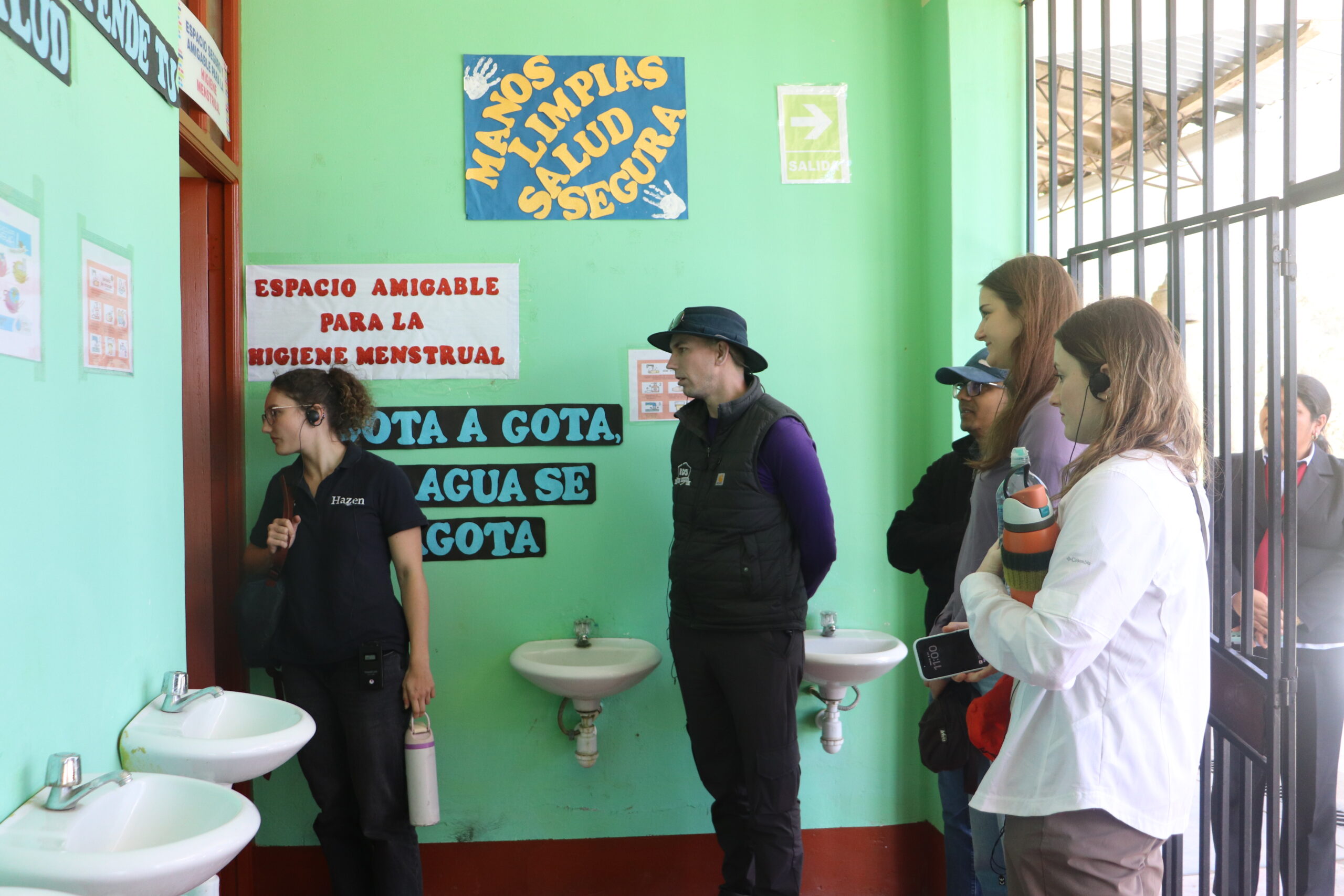
One of the most meaningful parts of the trip was visiting a remote elementary school. During our visit, we learned that many girls in rural Peru stop attending school when they begin menstruating because they lack access to safe restrooms and menstrual hygiene resources. The students and their parents showed us the school’s new restrooms and chlorination system and shared what those improvements meant to their community. Hearing the students explain how having dedicated restrooms helps girls remain in school was one of the most powerful conversations I had during the trip. It also left me feeling grateful for something I had always taken for granted. Until that moment, I had never realized that access to a safe restroom was one of the reasons I was able to continue receiving an education. It was something I had always expected to be available, yet for many students it can determine whether they are able to remain in school. Seeing firsthand how something so basic can have such a profound impact on a child’s future was both eye-opening and deeply moving.
I returned from Peru with a greater appreciation for water and a deeper understanding of the impact that safe water and sanitation can have on health, education, economic opportunity, and quality of life. The experience also gave me a renewed appreciation for the utilities and water professionals who provide these essential services every day. While the challenges may look different in Peru than they do in Tennessee, the importance of clean water and sanitation remains the same. The trip reinforced that the work we do in the water and wastewater industry has a direct impact on the wellbeing of our communities. Whether it is providing safe drinking water, protecting public health, or supporting economic growth, access to reliable water and sanitation services influences nearly every aspect of daily life. Seeing these impacts firsthand strengthened my passion for the work we do at SSR and throughout the water industry and reminded me that the projects we work on every day make a meaningful difference in the communities we serve.
I am incredibly grateful to the Water For People staff for sharing these projects with us, to the community members who welcomed us into their communities and shared their experiences, and to SSR’s Making a Difference campaign and the Water For People AWWA KY/TN Committee for making this opportunity possible. The perspectives, stories, and lessons I gained during this experience will stay with me throughout my career and serve as a reminder of the meaningful impact that access to safe water and sanitation can have on people’s lives.
Photos from Peru