



Helping Small Utilities Plan for Stronger, More Reliable Systems
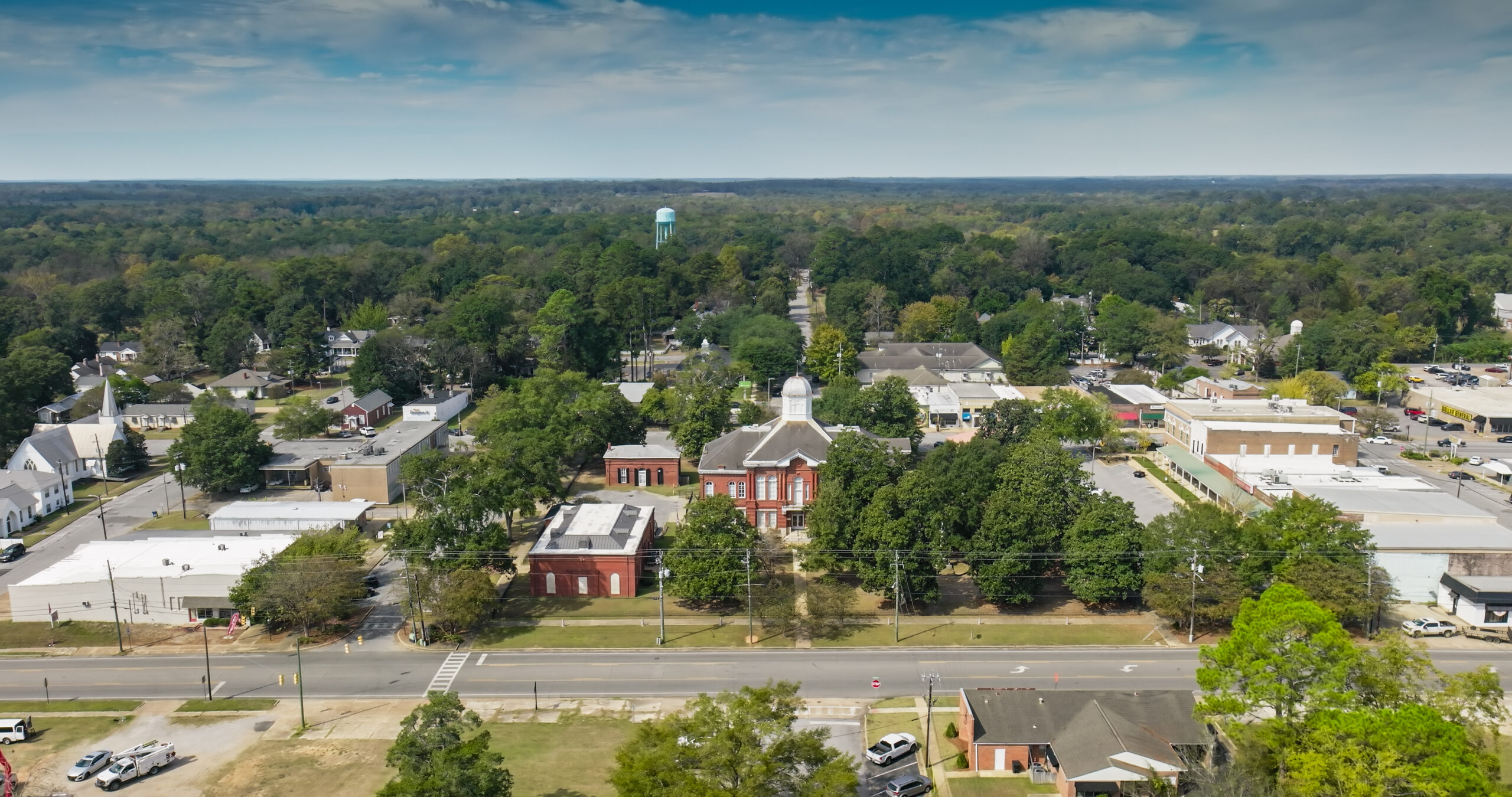


For many small and rural utility systems, infrastructure challenges extend beyond aging pipes, water loss, or limited capacity. Utility leaders may also lack the staff and resources needed to monitor new funding opportunities, evaluate their systems, and plan improvements before problems become emergencies. SSR is helping close that staffing and funding gap through the resourcefulness of our dedicated staff.
When the Tennessee Department of Economic and Community Development announced its Infrastructure Planning Grant program, SSR recognized an opportunity to help close that information gap. Members of SSR’s Infrastructure team began reaching out directly to eligible utilities to make sure local leaders knew the funding was available and understood how it could support the long-term health of their systems.
The outreach reflects a simple idea: communities cannot pursue resources they do not know exist.
Giving Utilities Better Information About Their Systems
The Infrastructure Planning Grant program is intended for eligible water and wastewater utilities facing financial or operational challenges. Some serve rural or distressed communities, while others may be experiencing significant water loss, high debt, or operating deficits.
For these utilities, one of the greatest challenges may be understanding exactly what they own and where improvements are most urgent. System information can be scattered among record drawings, historical plans, and the knowledge of individual operators. In some cases, utilities may not have a comprehensive digital record showing the location, size, age, or condition of their infrastructure.
Planning grants can provide the resources needed to assemble that information and turn it into a clearer picture of the system. Eligible activities discussed by the SSR team include:
- Water and wastewater system mapping and modeling
- Water loss and hydraulic analyses
- Infiltration and inflow reduction studies
- Water and wastewater asset management planning
- Regionalization or consolidation studies
- Other system analyses that help utilities identify and prioritize needs
This work can help a utility move from reacting to failures toward making informed, proactive decisions.
Planning Before a Problem Becomes an Emergency
An asset management plan, for example, can help utility leaders document infrastructure conditions and identify facilities or system components that may be approaching the end of their useful lives. Rather than waiting for a failure and making a costly emergency repair, the utility can begin prioritizing improvements based on condition, age, and operational importance.
System models can provide another layer of insight. Water modeling may reveal bottlenecks or areas where infrastructure is too small to meet the system’s needs. Wastewater modeling can help identify capacity concerns and conditions that contribute to overflows. Utilities can then evaluate potential improvements, compare alternatives, and consider which solutions may address the problem most effectively.
For wastewater systems, infiltration and inflow studies can also help determine where groundwater and rainwater may be entering damaged pipes or joints. That unwanted flow takes up system capacity and can require a treatment plant to process water that should never have entered the wastewater system. Identifying those problems gives utilities a stronger foundation for targeting repairs and reducing unnecessary treatment costs.
Reaching the Communities That May Need the Opportunity Most
Because many eligible utilities operate with small teams, the person responsible for the water or wastewater system may also be serving in another local government role. Those leaders balance many responsibilities and may not have dedicated staff available to identify every new grant program.
SSR’s team contacted utilities on the state’s eligibility list before the application period opened. Our goal was not simply to secure work or complete applications on behalf of the utilities. It was to make sure local leaders were aware of the opportunity, could ask informed questions, and had a clearer understanding of the planning services the funding may support.
Even if a utility ultimately chooses another path or another consultant, sharing that information can still benefit the community. An eligible system may gain access to planning resources that help it better understand its infrastructure, prepare for future investments, and provide more reliable service to the people who depend on it.
Supporting the Work Beyond the Grant
If a utility receives funding, it will still follow a competitive selection process to choose a qualified firm for the resulting planning work. SSR’s Infrastructure team has experience supporting several of the services emphasized through the program, including system mapping, water and wastewater modeling, water loss analysis, hydraulic analysis, infiltration and inflow studies, and asset management planning.
Those services are technical, but their impact is practical. Better system information helps communities understand what they have, determine what needs attention, compare possible improvements, and make more strategic use of limited resources.
By connecting utilities with available resources and helping them better understand their infrastructure challenges, SSR is advancing more than individual projects. We’re helping communities take meaningful steps toward protecting water resources, improving system reliability, and planning for long-term sustainability.
Whether through engineering solutions, infrastructure planning, or our broader Making a Difference efforts, SSR remains committed to supporting initiatives that promote clean water, environmental stewardship, and stronger communities throughout Tennessee and beyond.