
Keeping Buildings Efficient: The Rise of Fault Detection and Diagnostics



Just as building commissioning has been an energy code requirement for many years to ensure facilities are built to meet their energy efficient designs, Fault Detection and Diagnostic (FDD) is an emerging tool meant to ensure that efficiency can be maintained during operations. Requirements for FDD are becoming more common in both energy codes and green building rating systems. In fact, a meta-analysis conducted by Lawrence Berkeley National Laboratory (LBNL) concluded mean building energy savings of 9% and a mean simple payback period of 3.2 years for FDD.
FDD systems are software platforms that utilize algorithm-based analysis to automatically review trend data from sensors and devices to identify faults in a building’s mechanical and electrical systems. They can automatically notify building operators, providing a prioritized list of issues with recommended action items. This helps to slow the degradation of HVAC systems, reducing energy consumption, increasing occupant comfort, and making better use of maintenance personnel. The 2021 International Energy Conservation Code (IECC) Section 403.2.3 requires buildings larger than 100,000 square feet to utilize an FDD system in their HVAC systems.
Building Performance Monitoring (BPM) is the process of setting up and regularly utilizing the FDD software to improve building operations. LEED v4 offers 1 additional point under the Enhanced Commissioning credit for Monitoring-Based Commissioning (MBCx), which is another term for BPM. This credit requires MBCx for one year after occupancy. In LEED v5, MBCx is worth up to 2 points and the minimum length is extended to three full years after occupancy.
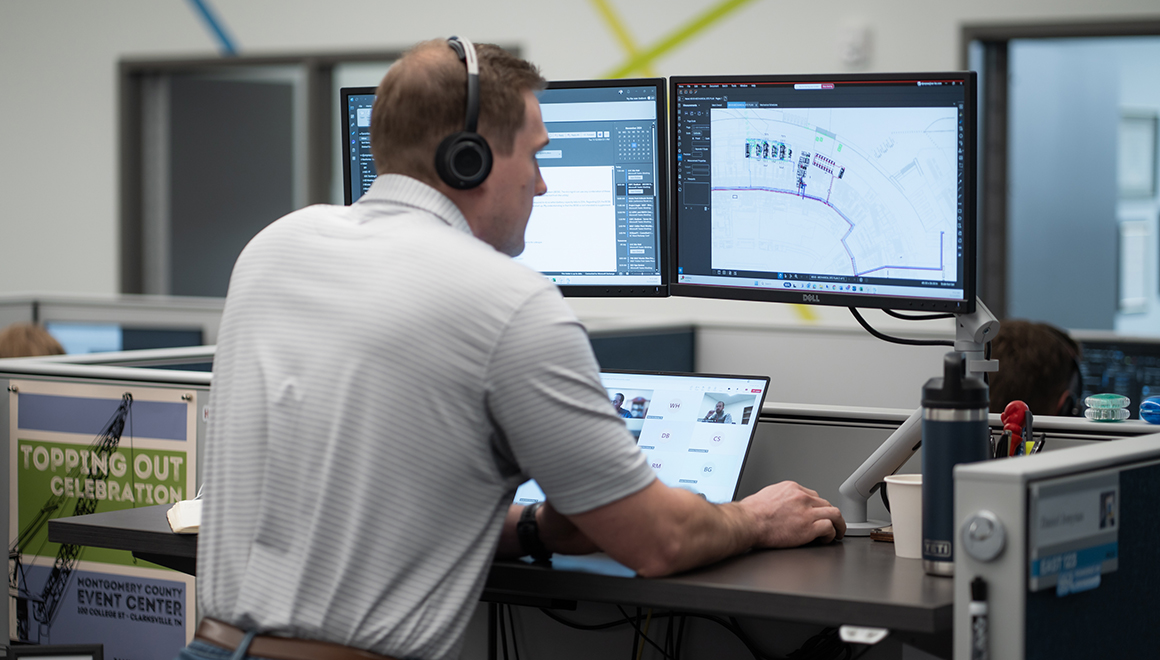
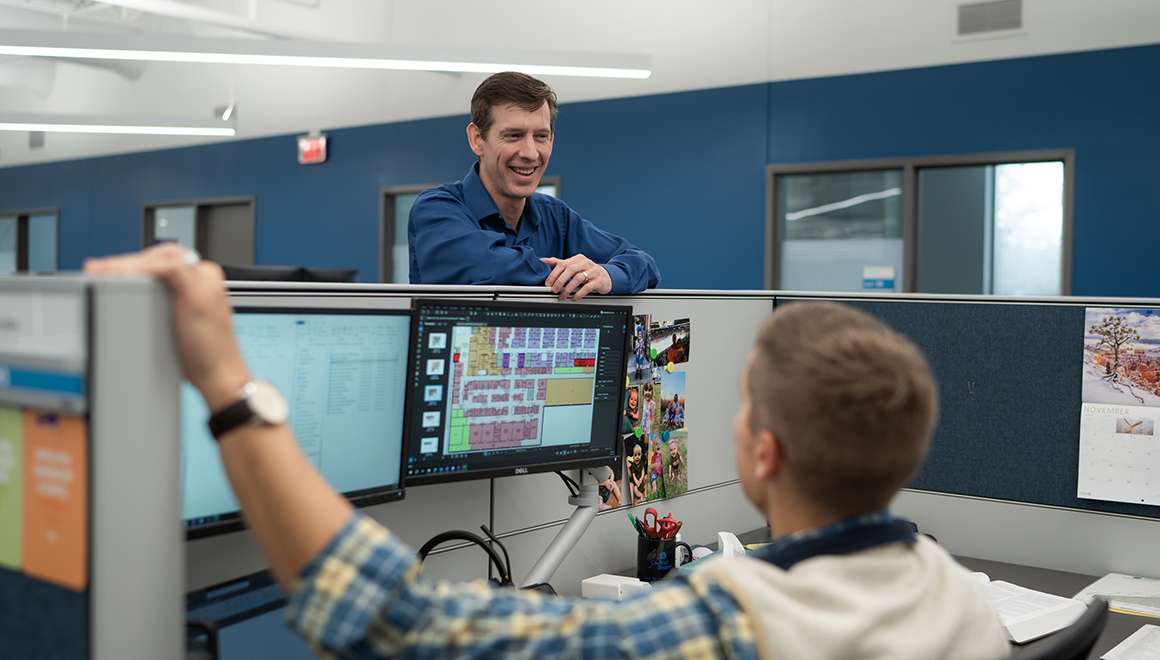
SSR uses FDD software to provide BPM and MBCx as a service to meet these requirements and prevent performance degradation of building systems. After setting up facility-specific diagnostic rules, our team can triage detected faults by comparing historical performance and provide more context to assist facility staff in the quick resolution of issues. When utilized consistently during operations, this service helps the facility meet or exceed its original design intent.