
Ford Blue Oval Battery Manufacturing Facility
West Tennessee
Supporting one of the largest EV battery manufacturing efforts in the U.S.
through integrated process and structural engineering.
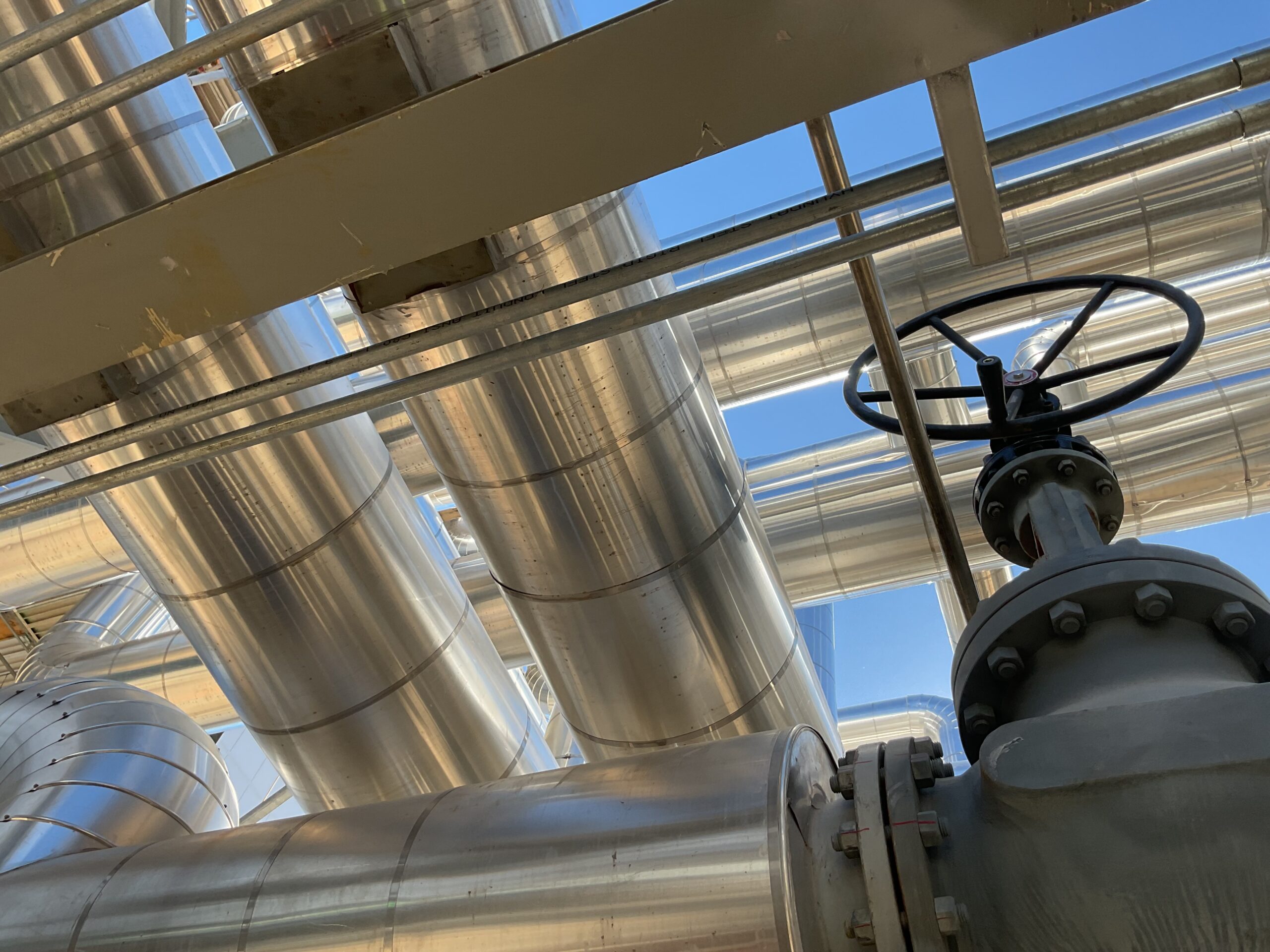
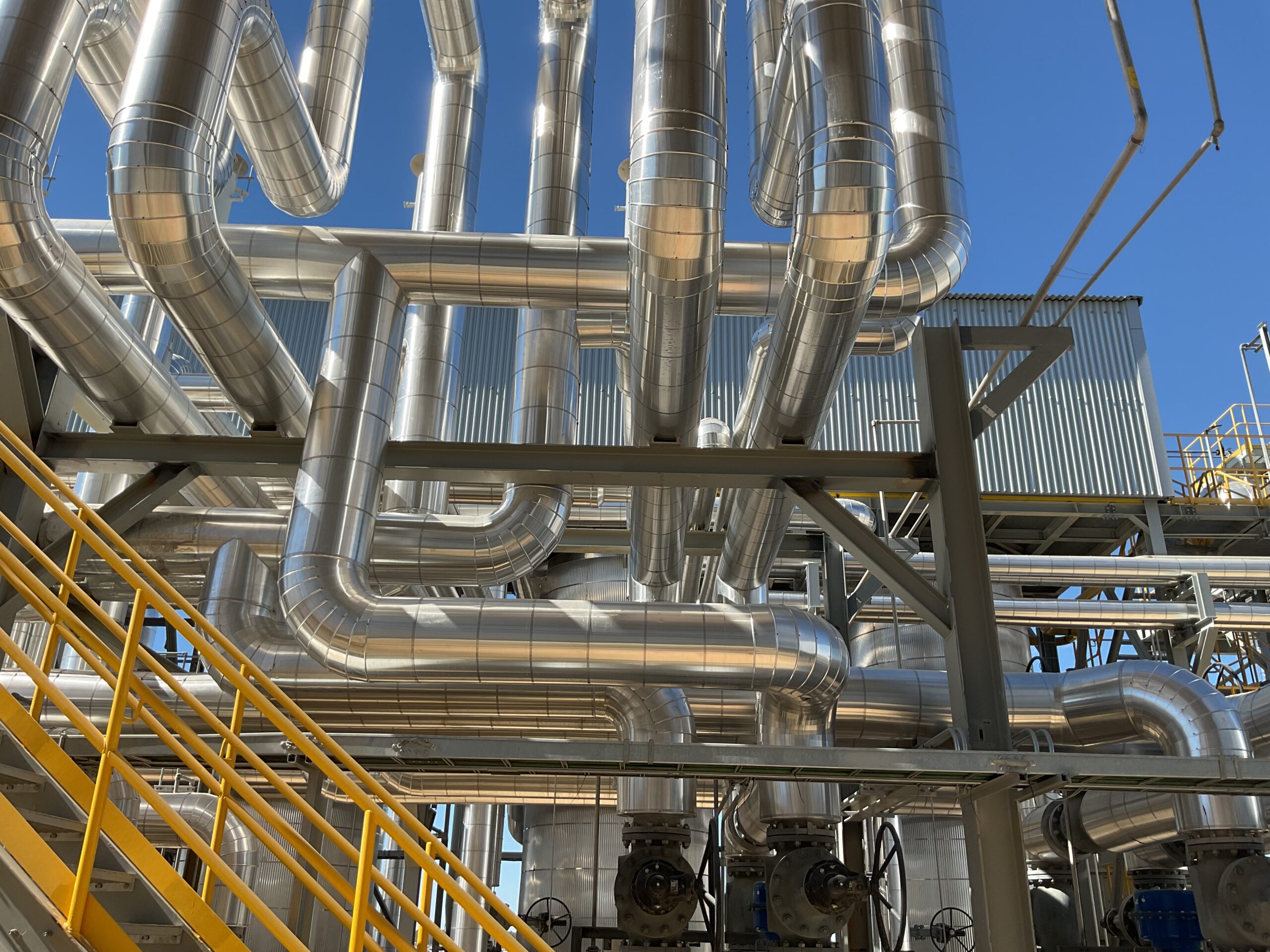
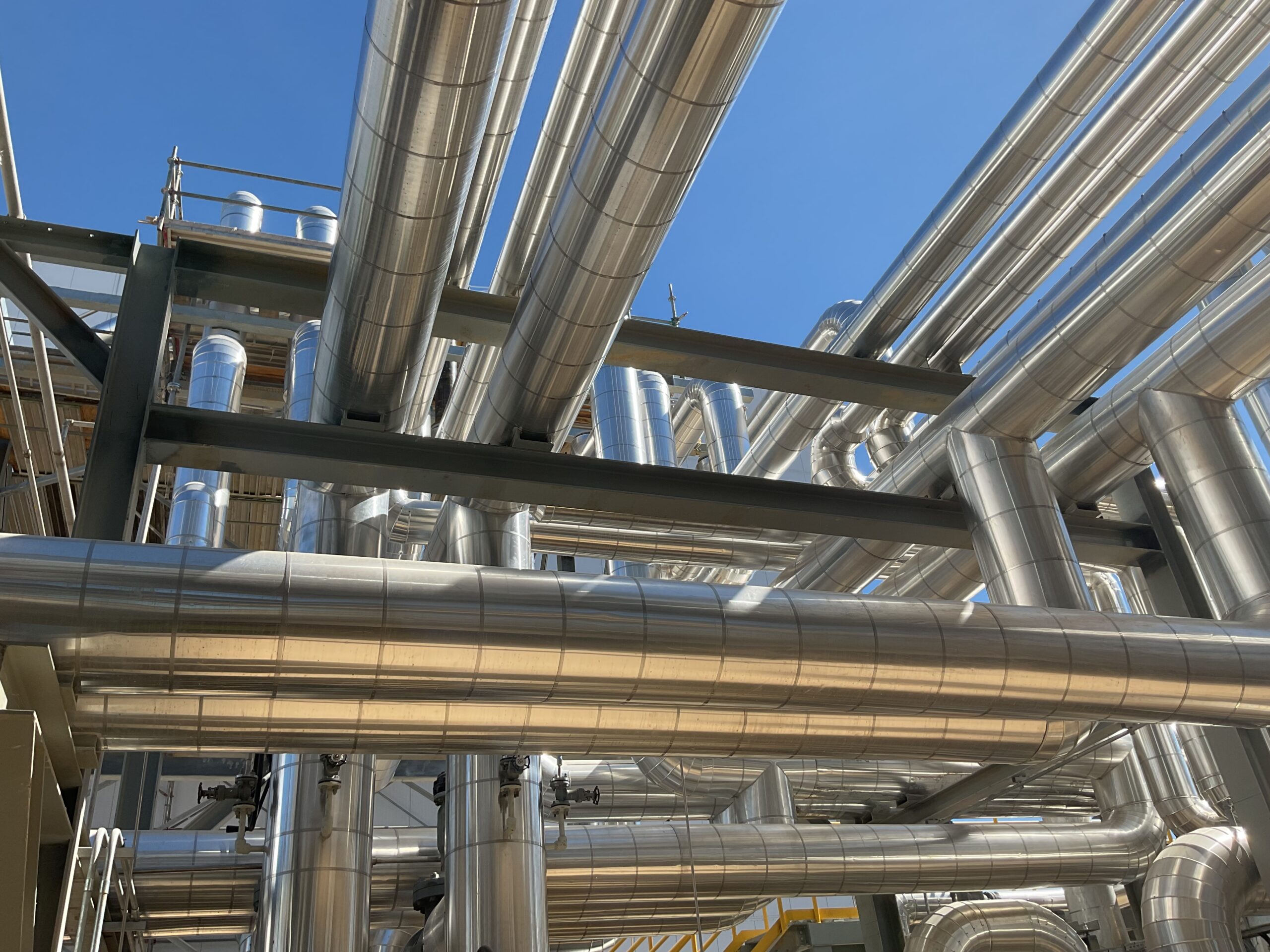
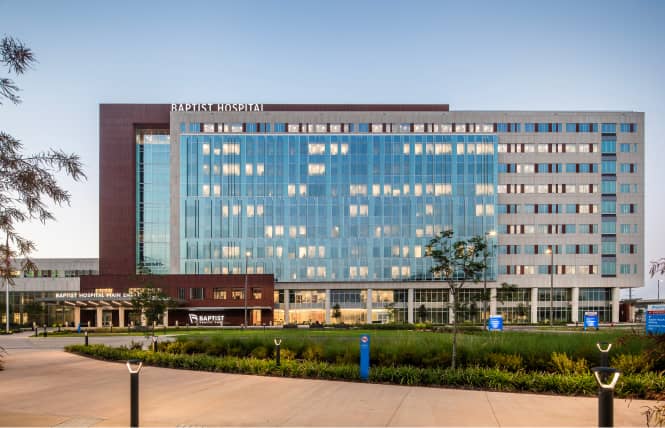
SSR supported the development of a large-scale electric vehicle (EV) battery manufacturing facility located on Ford’s Blue Oval campus in West Tennessee. Envisioned as a critical component of Ford’s EV strategy, the project represented one of the largest industrial construction efforts in the United States at the time, spanning an estimated 10.8 million SF across a multi-mile campus.
Originally designed to support EV battery production, the facility evolved during construction and is now being repositioned under new ownership to support alternative battery manufacturing applications.
Scope of Services
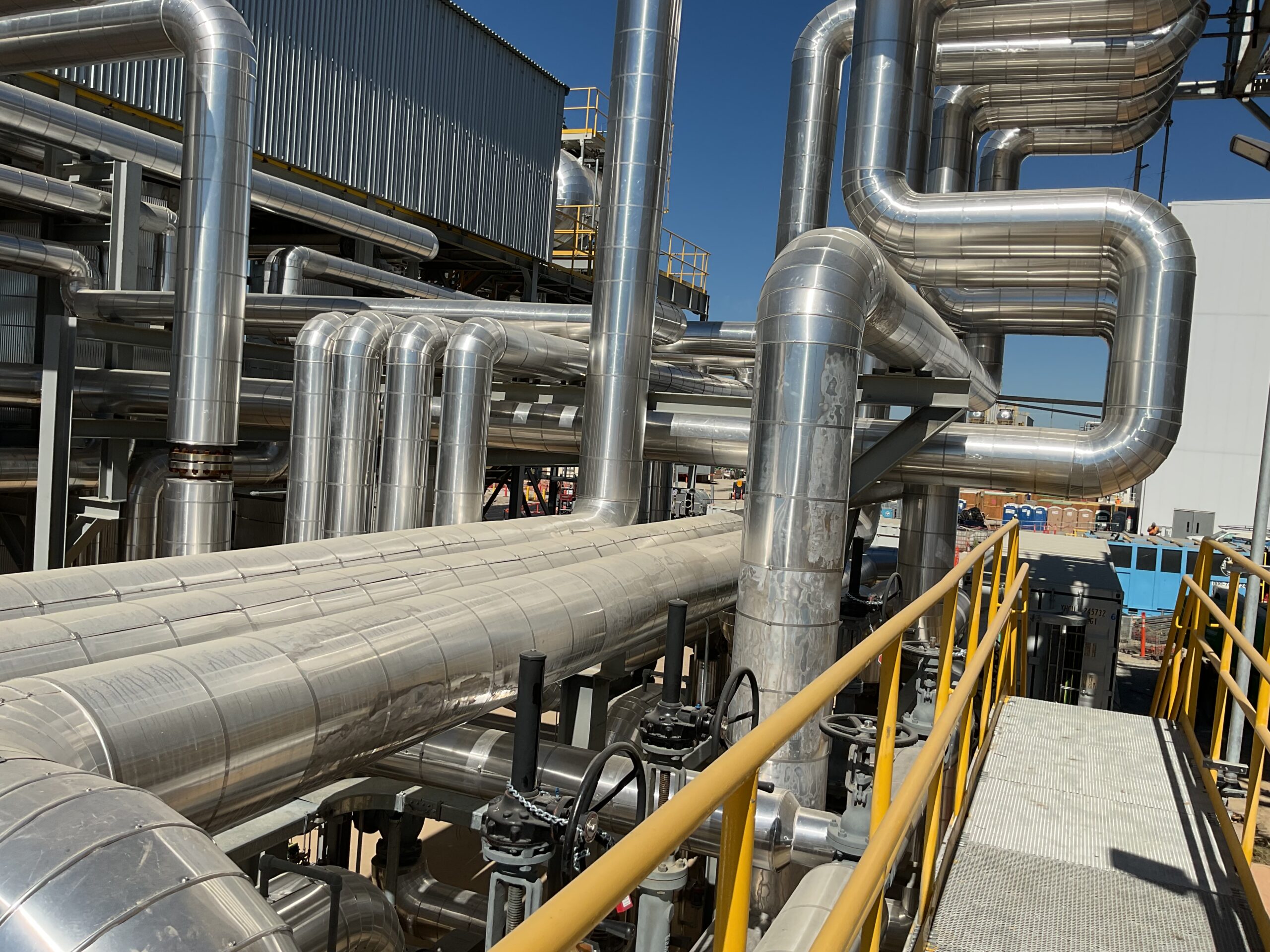
SSR provided specialized engineering support focused on the facility’s complex process systems and supporting infrastructure. The industrial team led process piping design for key battery manufacturing operations, including cooling water, compressed air, and chemical distribution systems. In addition to routing and layout, the team supported equipment coordination and developed system designs that aligned with the facility’s evolving production needs.
A critical component of SSR’s scope was pipe stress analysis, particularly for high-temperature systems such as the facility’s hot oil network. This work ensured system integrity under thermal expansion and operational loading conditions, helping prevent failures that could impact both safety and performance.
SSR’s structural engineering team complemented these efforts by designing support systems for piping, conduit, and associated infrastructure throughout the facility. Rather than focusing on the building shell, the team specialized in internal structural supports, addressing seismic considerations, load requirements, and code compliance for non-building components. This required applying specialized design standards and coordinating closely with process system layouts to ensure constructability and performance.
Together, these services formed an integrated approach, with process and structural teams working in tandem to deliver coordinated solutions within a highly dynamic project environment.
Integrated, Real-Time Project Delivery
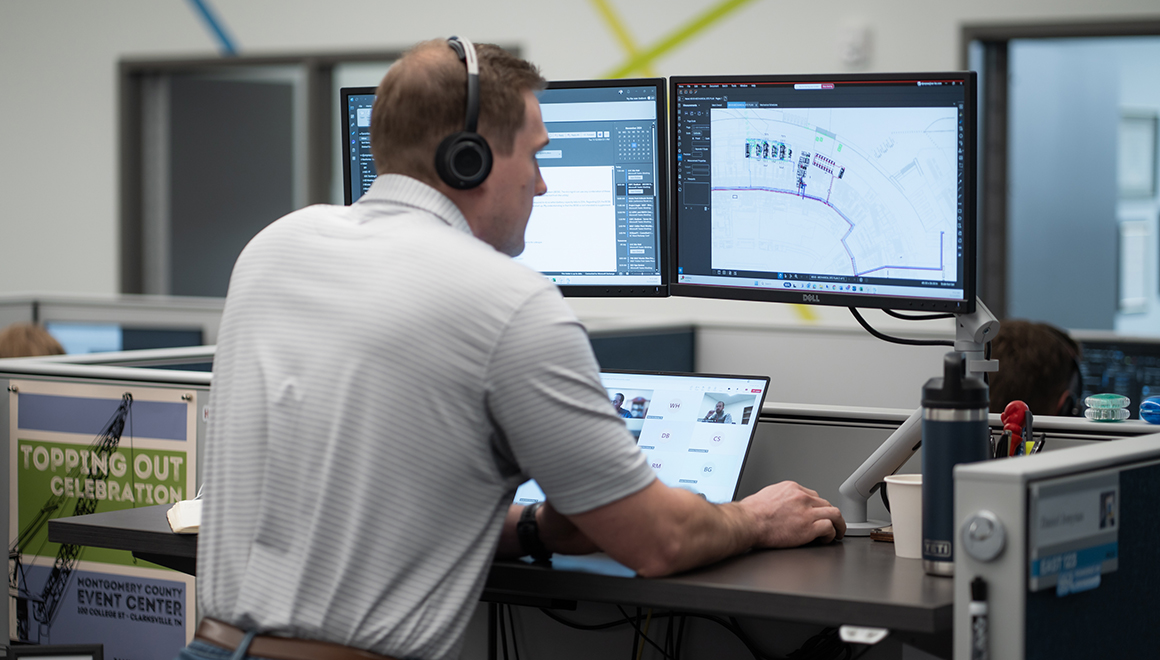
Unlike a traditional design-bid-build approach, this project required SSR to operate in a highly dynamic, concurrent design-and-construction environment. Engineering was performed in parallel with active construction, often requiring rapid adaptation to field conditions and evolving client needs.
SSR collaborated alongside multiple design entities working simultaneously across different building systems. This required:
- Continuous coordination across disciplines and stakeholders
- Daily updates to shared 3D models and centralized design platforms
- Real-time clash detection and resolution
- Rapid iteration of piping layouts and structural supports
The result was a workflow that effectively mirrored construction in a digital environment, allowing teams to identify and resolve conflicts before installation.
Cross-Disciplinary Collaboration
A defining aspect of this project was the tight integration between SSR’s industrial (process) and structural teams.
- Process engineers developed piping routes and system layouts
- Structural engineers designed support systems in parallel to match evolving configurations
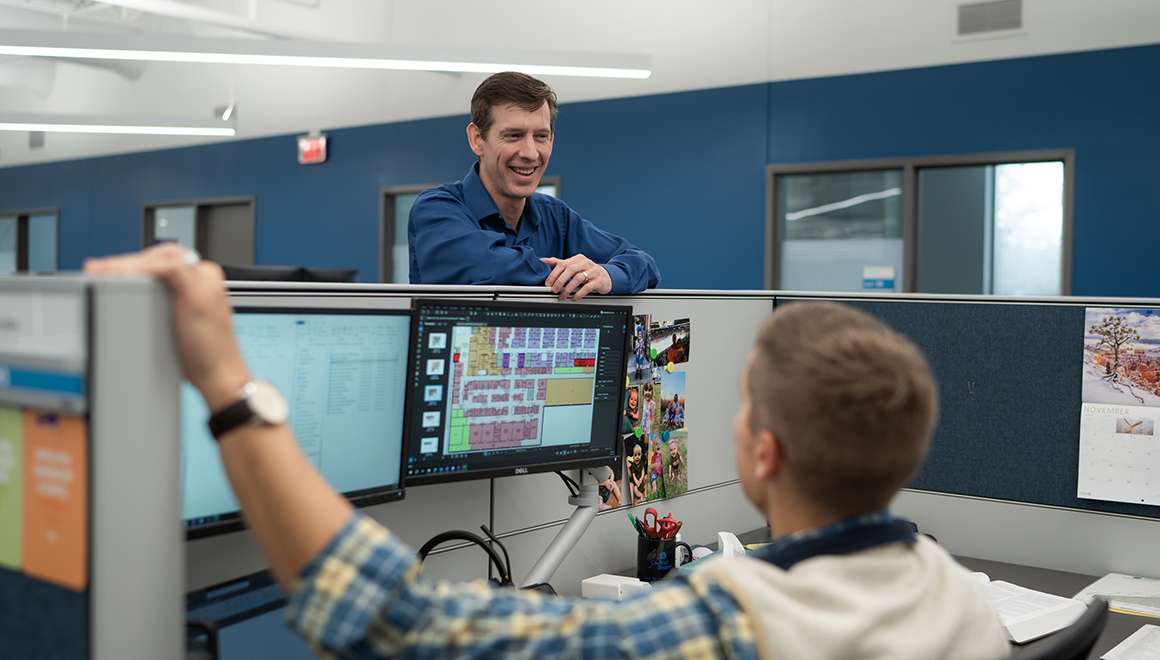
- Both teams worked in constant communication, adjusting designs in real time based on feasibility and constructability
This iterative process ensured that design intent could be executed despite shifting constraints, limited finalized information, and ongoing construction.
The collaboration extended beyond internal teams, with SSR actively coordinating across multiple external design partners to align systems within a shared facility model.
Project Status & Next Phase
Throughout the project, SSR played a key role in advancing design and construction efforts. However, the project was ultimately paused before completion due to changes in ownership structure between project stakeholders. The site is now transitioning into its next phase, with new ownership evaluating opportunities to retool and activate the facility for future operations.