
Spring Hill Wastewater Treatment Plant Condition Assessment
Spring Hill, Tennessee
A multidisciplinary assessment to improve performance, ensure reliability, and guide future growth
at Spring Hill’s wastewater treatment plant.
As Spring Hill, Tennessee, continues to grow, its wastewater treatment plant (WWTP) is being asked to do more than ever before. With increasing flows, aging infrastructure, and the need to plan for future capacity, the City needed a clear understanding of the plant’s current condition before it can identify a strategic path forward.
Delivering that clarity required more than a standard assessment. It called for a coordinated effort across multiple disciplines (civil, process, MEP, and structural), working together to evaluate the facility as a single, interconnected system.
Understanding the Need
The Spring Hill WWTP reflects decades of expansion and incremental upgrades. While those improvements supported past growth, they also introduced complexity: varying equipment ages, differing design standards, and systems that weren’t always optimized to work together.
Plant operators recognized several key challenges:
- Aging tanks, basins, and support structures showing signs of wear
- Electrical and control systems that needed modernization
- Uncertainty around how long existing assets could reliably support future demand
Rather than addressing issues reactively, the City initiated a comprehensive condition assessment to prioritize investments and guide long-term planning.
One Facility, Many Perspectives
To capture a complete picture of the plant, SSR teams from multiple service lines worked together in the field and behind the scenes.
Process Engineering: SSR’s process engineers led a detailed evaluation of treatment performance, focusing on how effectively the plant is meeting current demands. The team assessed biological and chemical processes, identified inefficiencies and operational bottlenecks, evaluated capacity under existing and projected flows, and reviewed permit compliance to understand the root causes of exceedances. This work established a clear performance baseline and pinpointed where targeted improvements would have the greatest impact.
Civil Engineering: Civil engineers evaluated the plant’s hydraulic performance and site infrastructure to ensure it can support both current operations and future expansion. Their work included reviewing flow paths, identifying hydraulic constraints, assessing basins and conveyance systems, and highlighting site limitations that may affect treatment efficiency. These insights help guide practical, phased improvements aligned with long-term growth.
Structural Engineering: SSR’s structural team focused on the integrity and longevity of critical infrastructure. Through field observations and condition assessments, they evaluated tanks, clarifiers, and structural components for signs of deterioration, identified rehabilitation priorities, and assessed remaining service life. This analysis provides a foundation for strategic reinvestment in aging assets.
Electrical Engineering: Electrical engineers assessed the systems that power and control plant operations, ensuring reliability and resilience. The team reviewed power distribution, evaluated system redundancy, examined instrumentation and controls, and identified potential risks to continuous operation. Their recommendations support improved reliability, efficiency, and operational confidence.
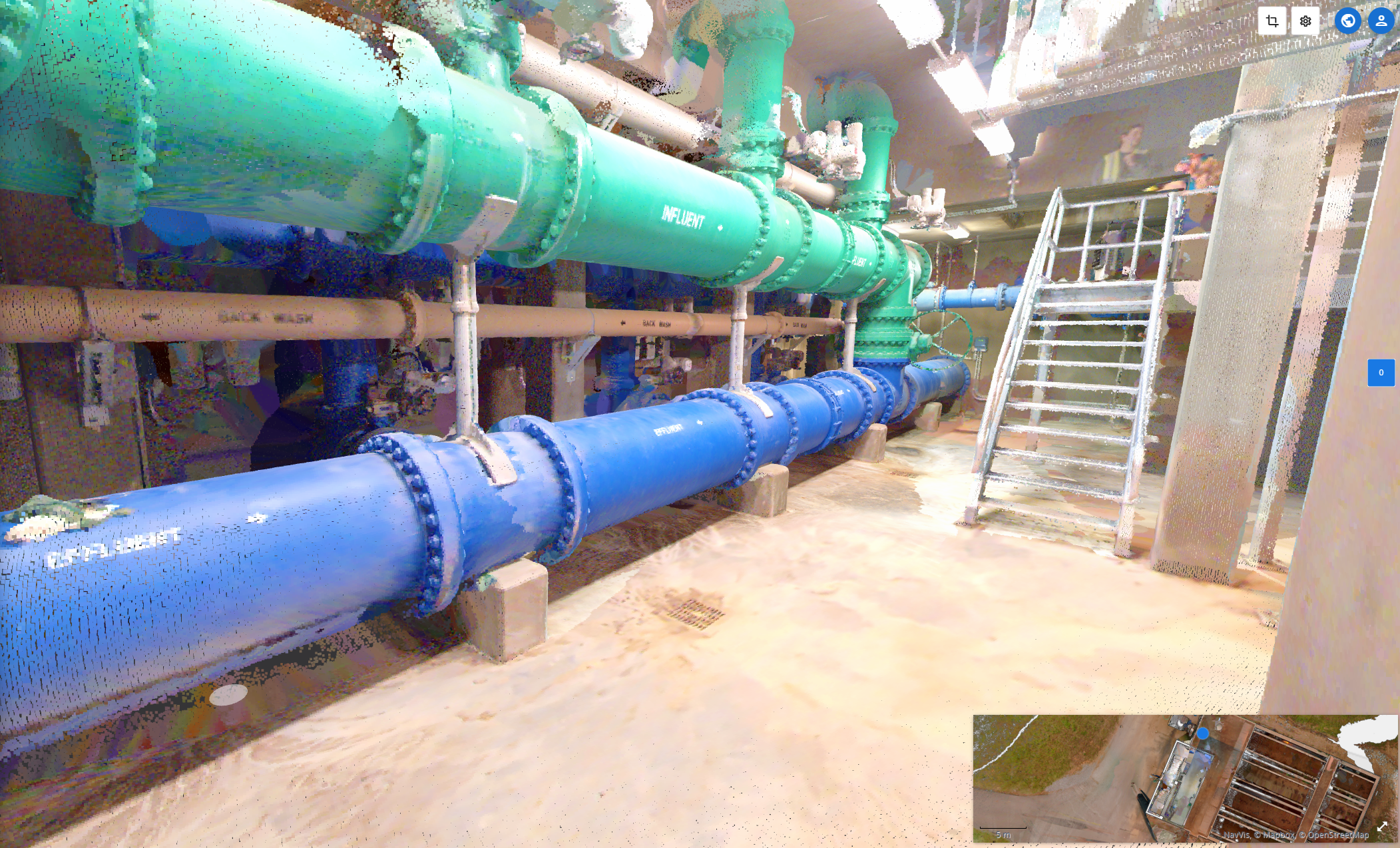
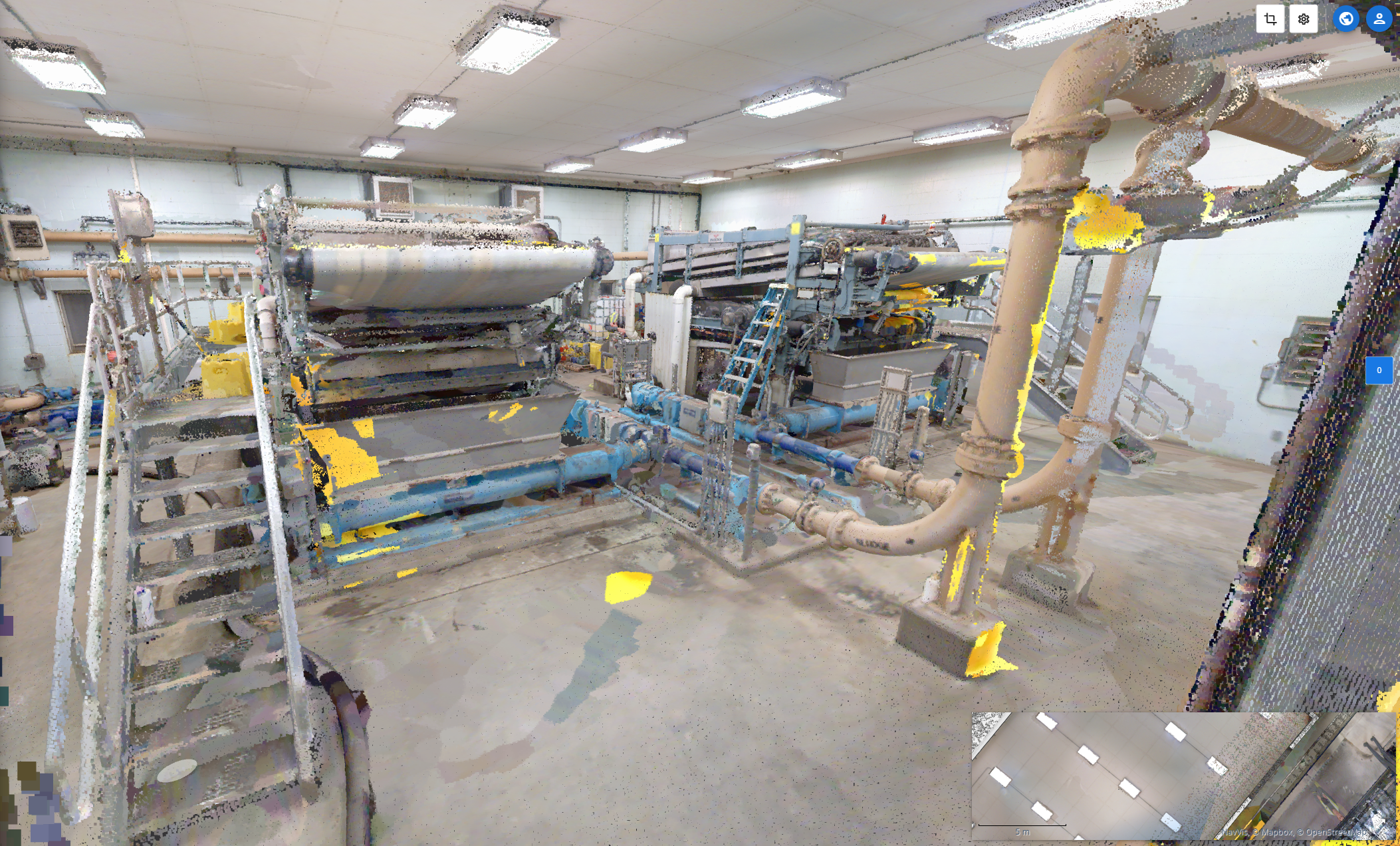
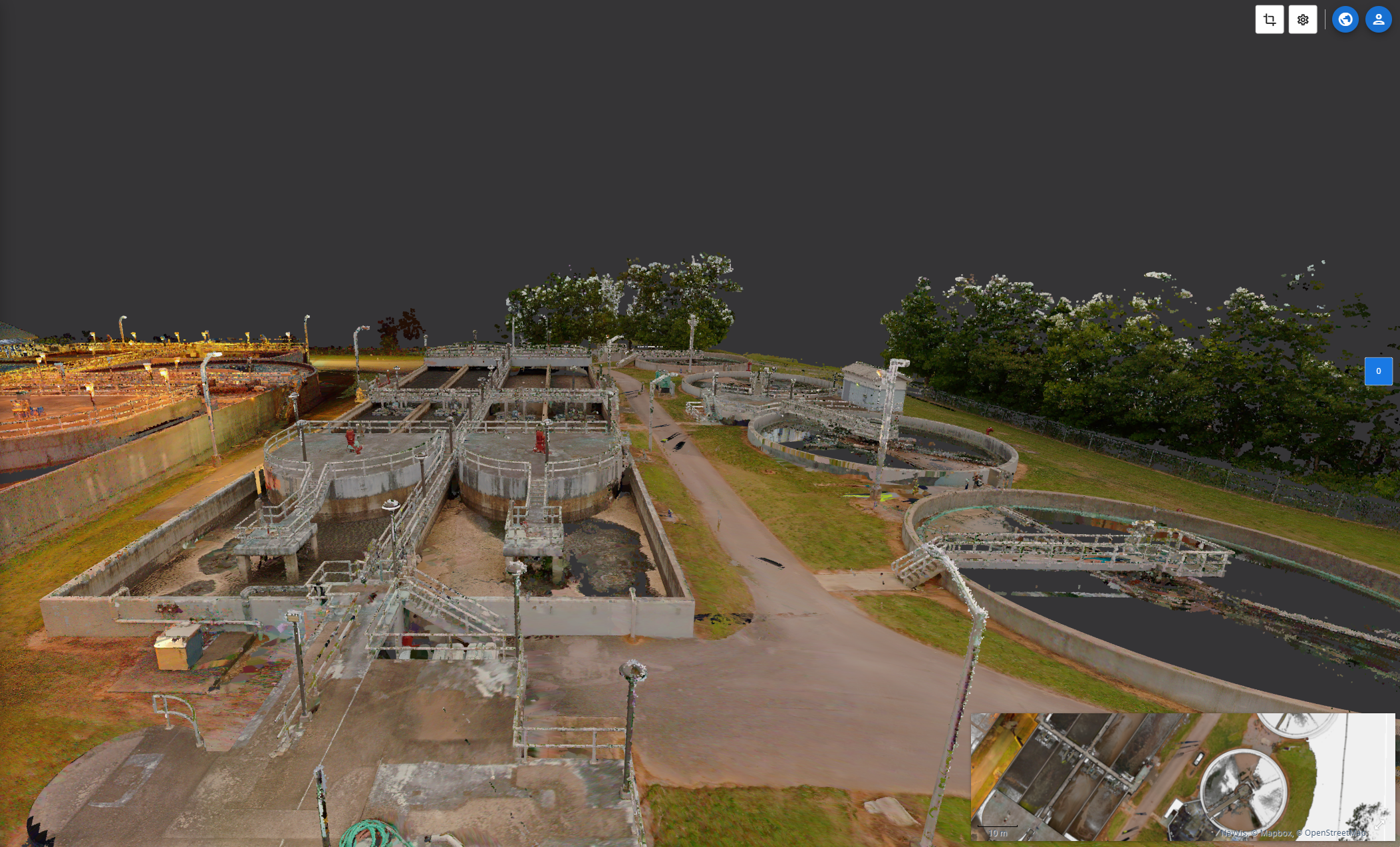
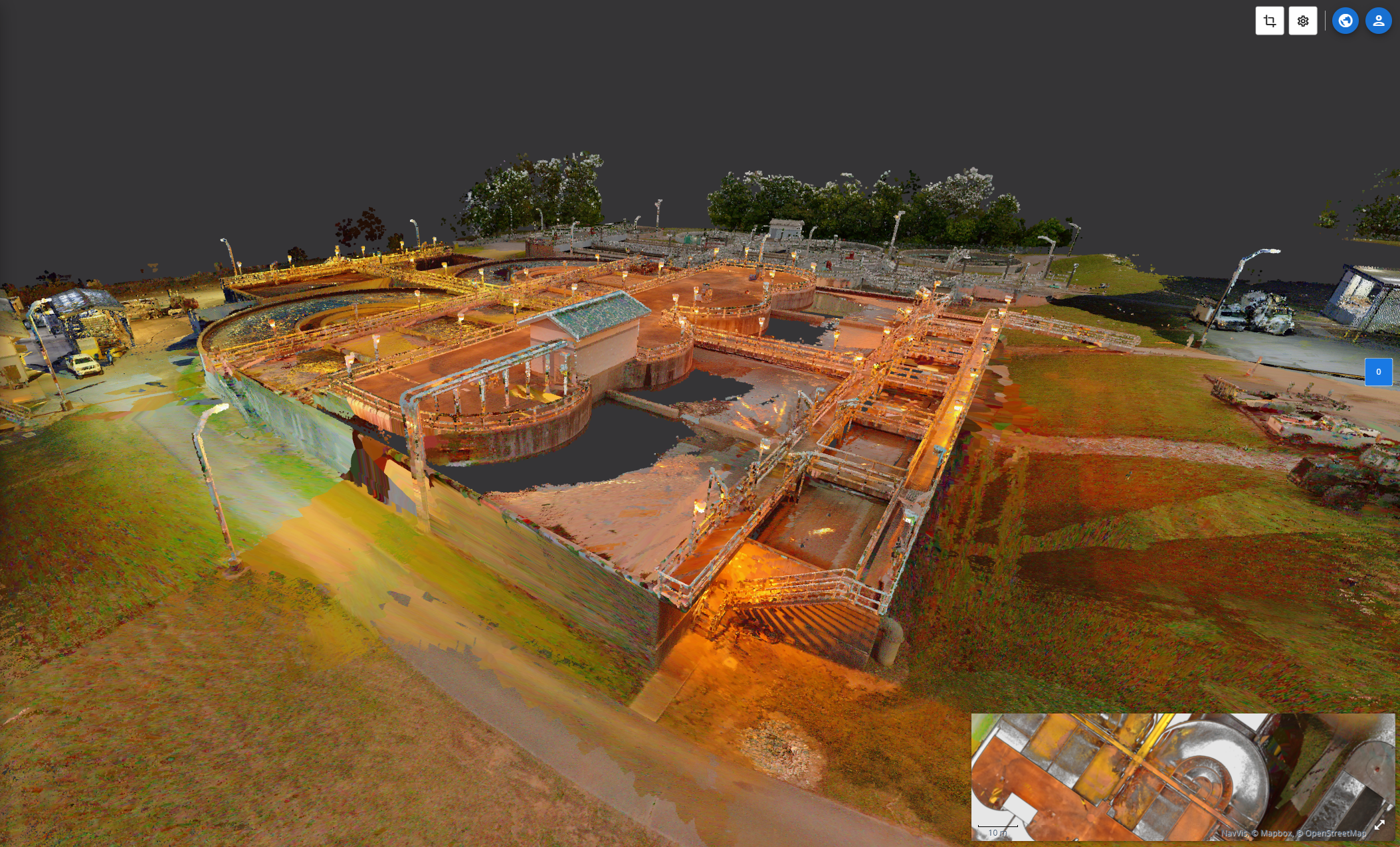
Scanning & Digital Documentation: To enhance field verification and long-term usability of project data, SSR performed a 3D point cloud scan of the facility, capturing highly detailed spatial data alongside immersive 3D photography of the plant. This technology provided immediate value to the project team by allowing our team to accurately reference site conditions even after leaving the field, improving coordination across disciplines and reducing the need for repeat site visits. Beyond the assessment itself, the scan delivers lasting value to the City. Plant staff can use the 3D model and imagery to virtually access and review facility conditions at any time, supporting operations, maintenance, and future planning without requiring physical presence on site. The point cloud data also integrated directly into design workflows, enabling us to rapidly develop accurate as-built documentation and new drawings within CAD environments. This increased efficiency and supports more cost-effective design as the City moves into future phases of improvements and expansion.
Turning Insight into Action
With discipline-specific assessments complete, SSR integrated findings into a unified understanding of the facility. Rather than producing independent recommendations, the team aligned process, civil, structural, and electrical insights to ensure that every proposed improvement works together. This coordination helps avoid conflicting solutions, reduces redundant investments, and ensures upgrades can be implemented efficiently.
Planning with Confidence
The result of this collaborative effort is a clear, actionable roadmap for the City of Spring Hill. SSR developed prioritized recommendations that balance immediate operational needs with long-term capital planning, enabling the City to address compliance challenges while preparing for continued growth. By tying infrastructure condition directly to performance and capacity, the plan supports smarter investment decisions and more predictable outcomes.